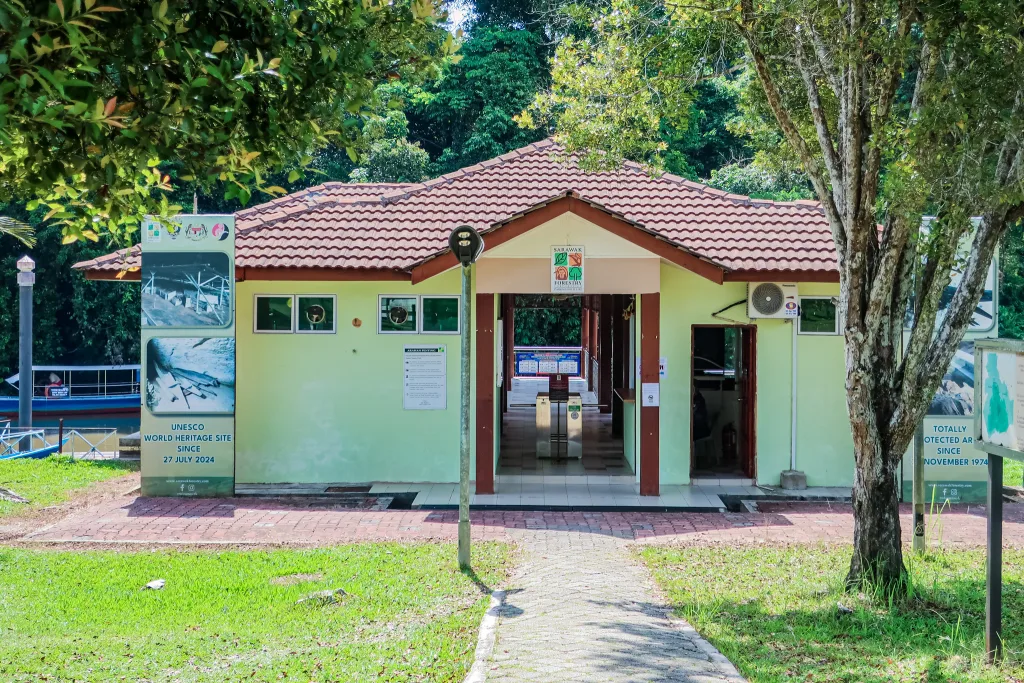

Niah National Park is probably the most adventurous, nature-filled place I have visited this year. It is far more rugged than any of my other destinations. To be honest, I was slightly dreading the idea of going on a nature trek. But since Niah National Park is one of Miri’s most iconic highlights, I knew I had to experience it for myself.
Getting to Niah National Park
My friend and I booked a personal guide-cum-driver from a local tour agency to take us to the park. The drive took about 1.5 to 2 hours, with stretches of slightly bumpy road. I quickly finished my breakfast in the car, knowing there would be no dining options once we started the trail. With two bottles of water in my bag, we arrived—and I immediately drenched myself in insect repellent. Arms, face, legs… everywhere. I wore shorts (a dumb choice, apparently, for a dense forest trek), and I wasn’t taking any chances.
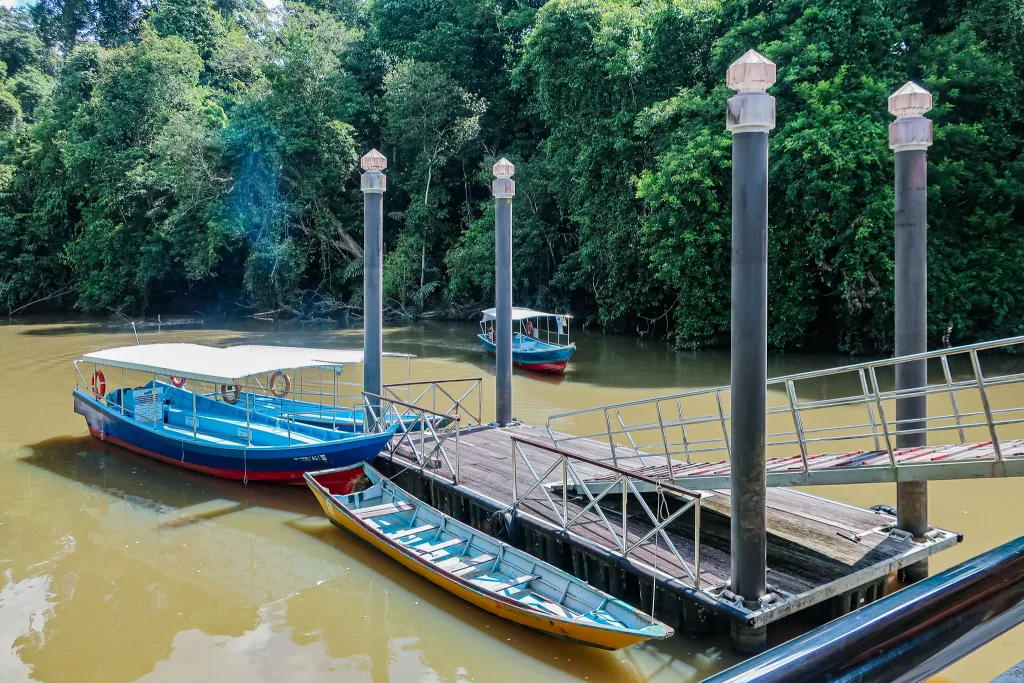
The trail starts with a short boat ride across a muddy river at the Niah Cave jetty. The ride lasted barely a minute before we reached the opposite bank. From there, the adventure truly began. Since the trail is one way in and one way out, there is no turning back once you start.
Key Highlights of Niah National Park
To keep things concise, here are the main pitstops along the trail:
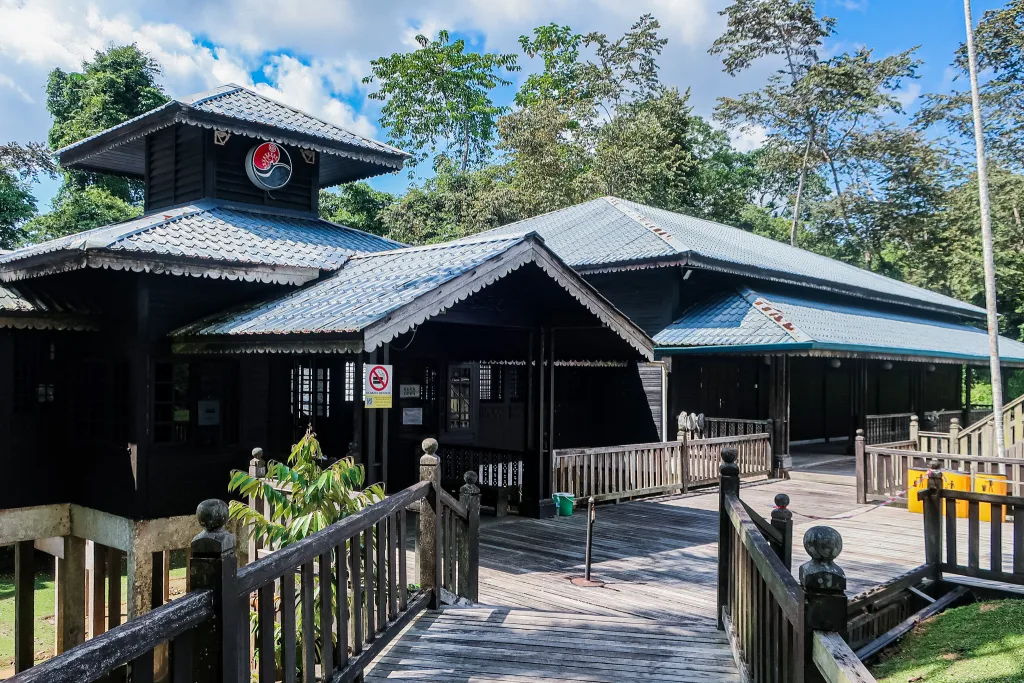
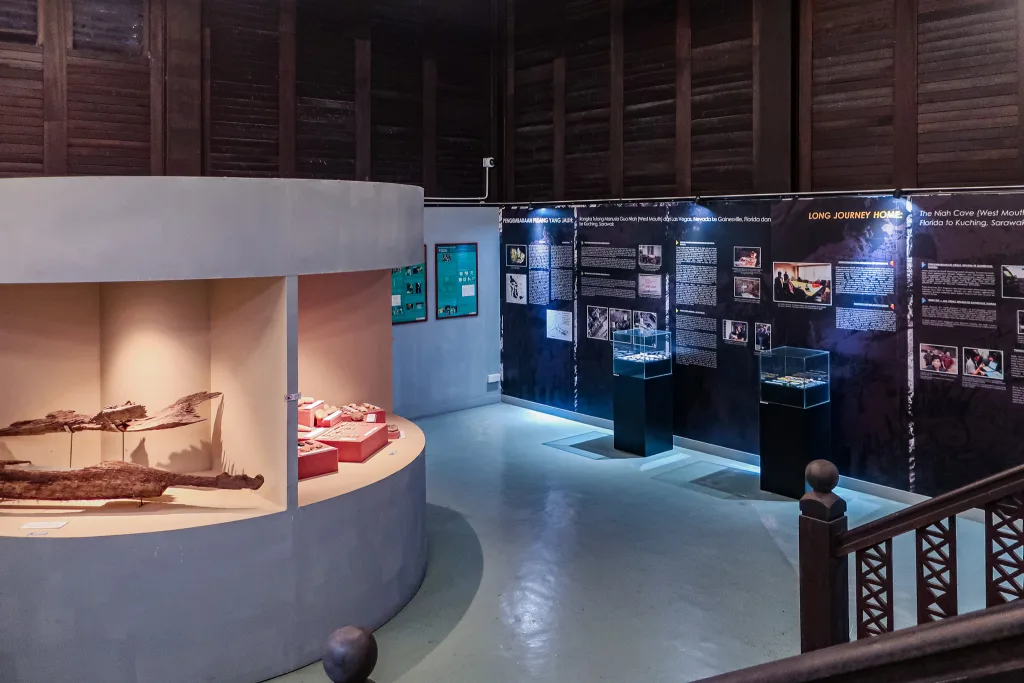
1) Niah Archaeology Museum
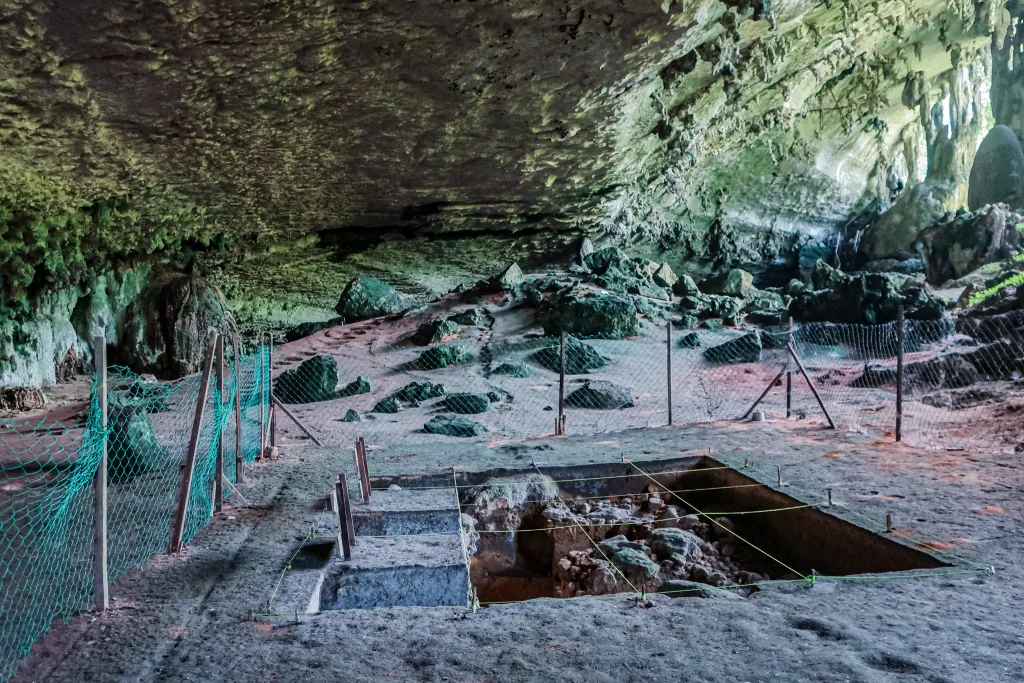
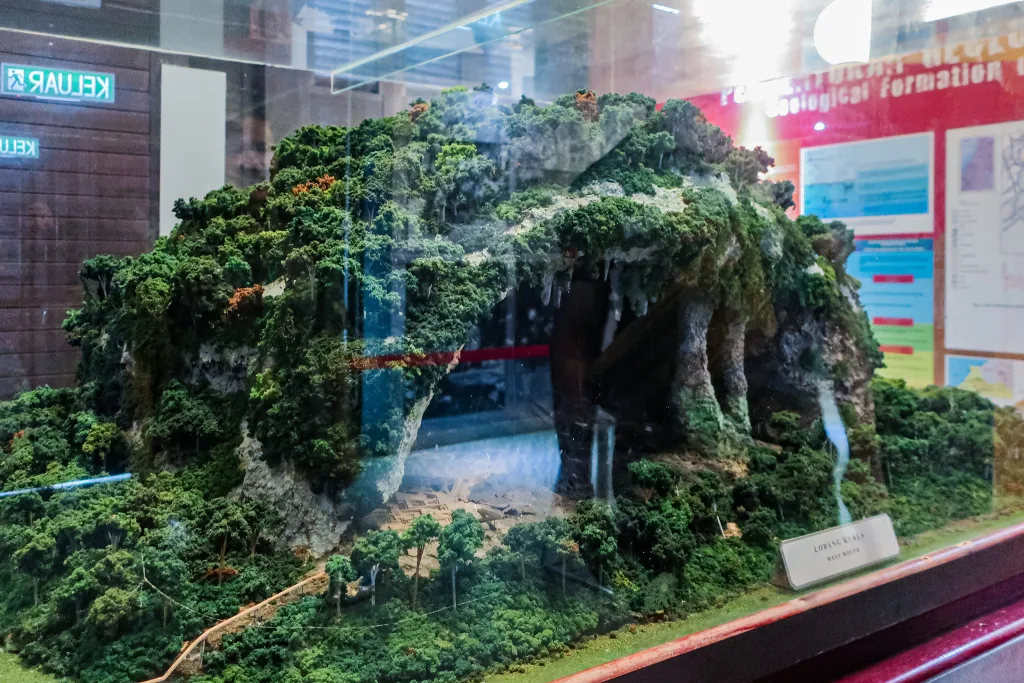
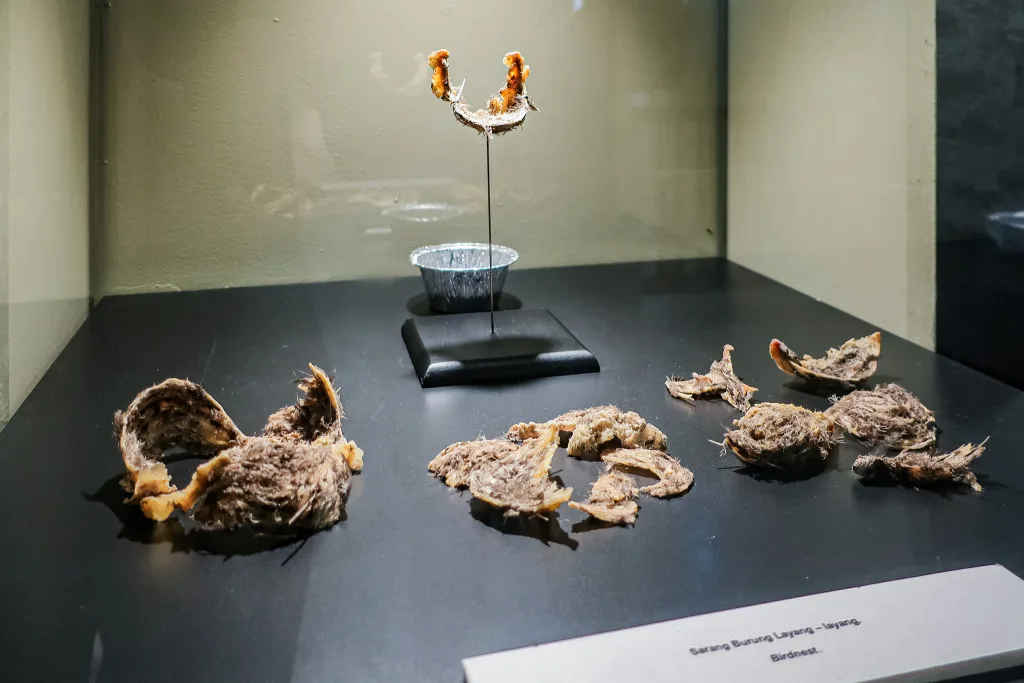
A compact but informative museum that gives visitors an overview of Niah’s significance. This is where you’ll learn about the park’s archaeological discoveries. Artefacts include the remains of early human settlements, tools, jewelries, dried swallow’s nests, etc. There was even a model of the cave!
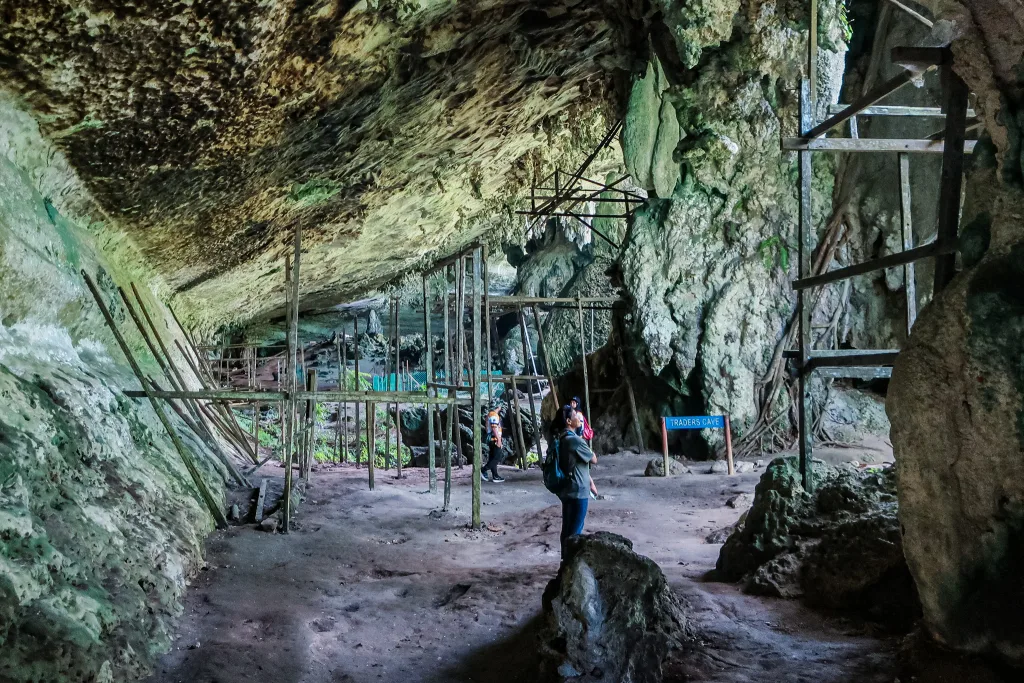
2) Traders Cave
This long, open cavern retains structure of ancient ‘roofless huts’ made of ironwood. Bird’s nest collectors and their families constructed these huts and used them as shelters. Collectors who sold or traded their harvests gave the cave its name. They used these huts as shelters until the late 1970s.
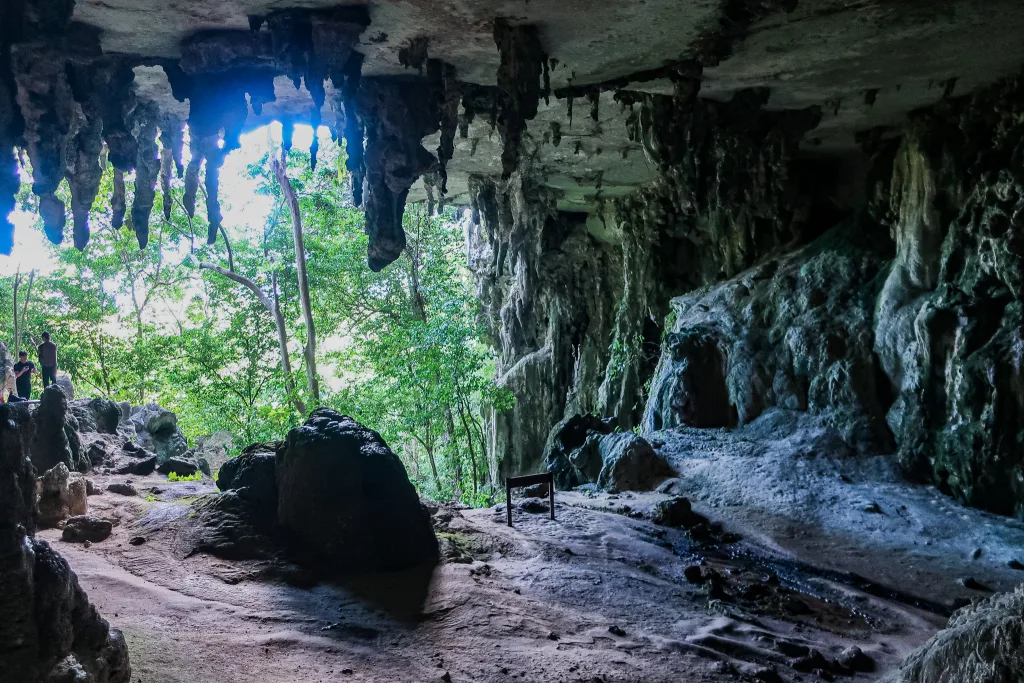
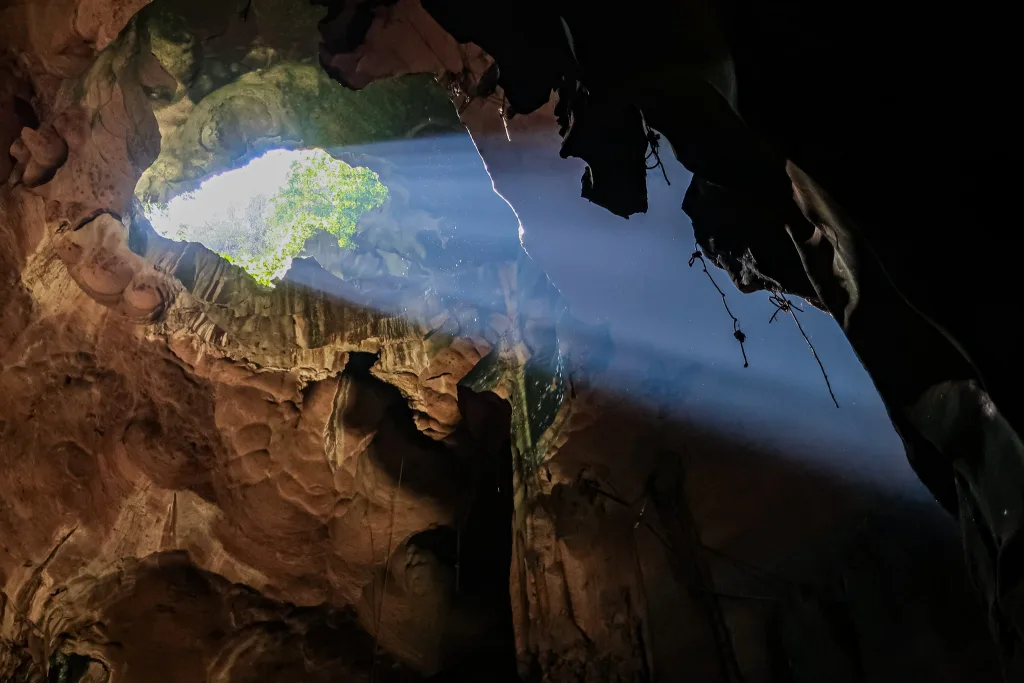
3) Great Cave
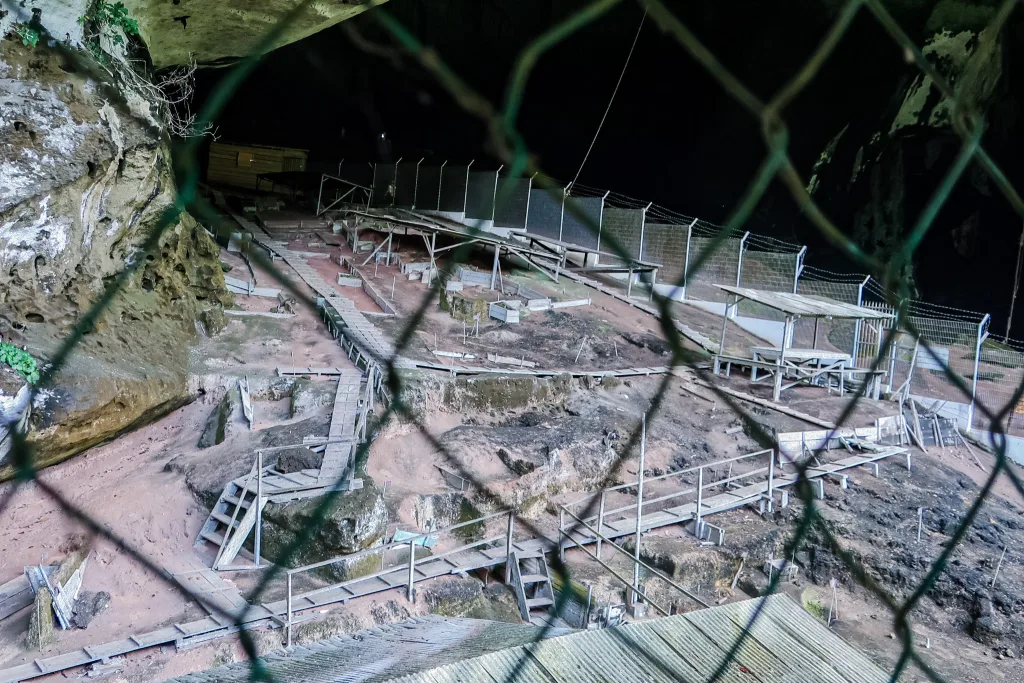
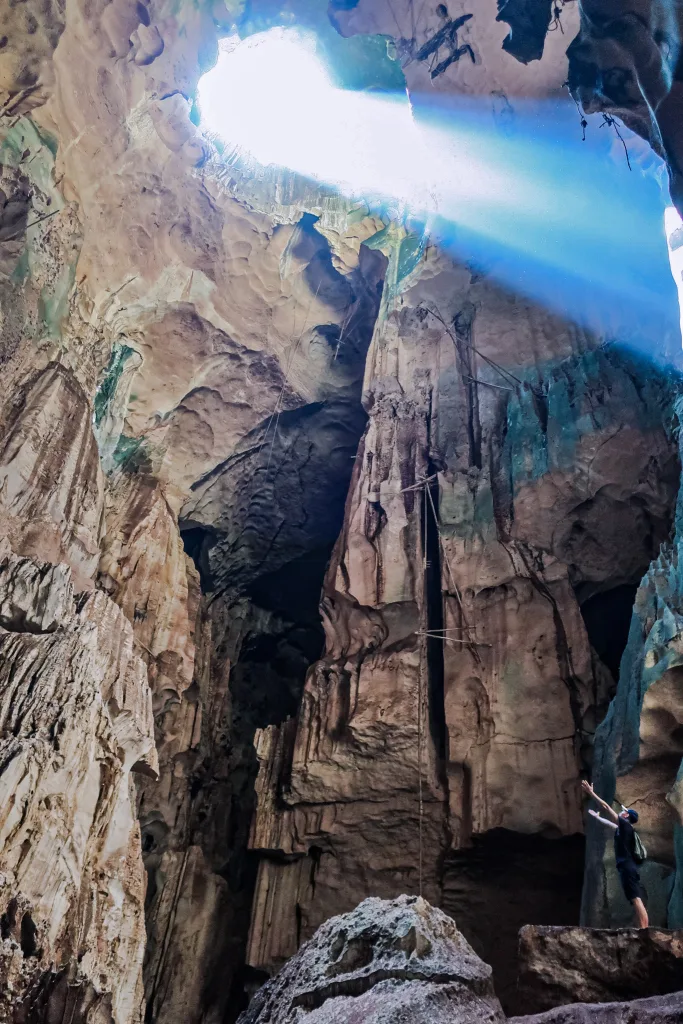
The star of the park would probably be the massive and dramatic The Great Cave. This is where you will encounter steep staircases, wooden walkways, and dimly lit/ dark passages. Be advice to bring along a torch light as certain passage would be total darkness. Walking through it feels like entering another world, complete with echoing chambers and textures shaped by time and nature. The stench of poo from swiftlets and bats could be overwhelming for sensitive people like me. There were occasional sightings of cave crickets too.
4) Niah Cave Long House
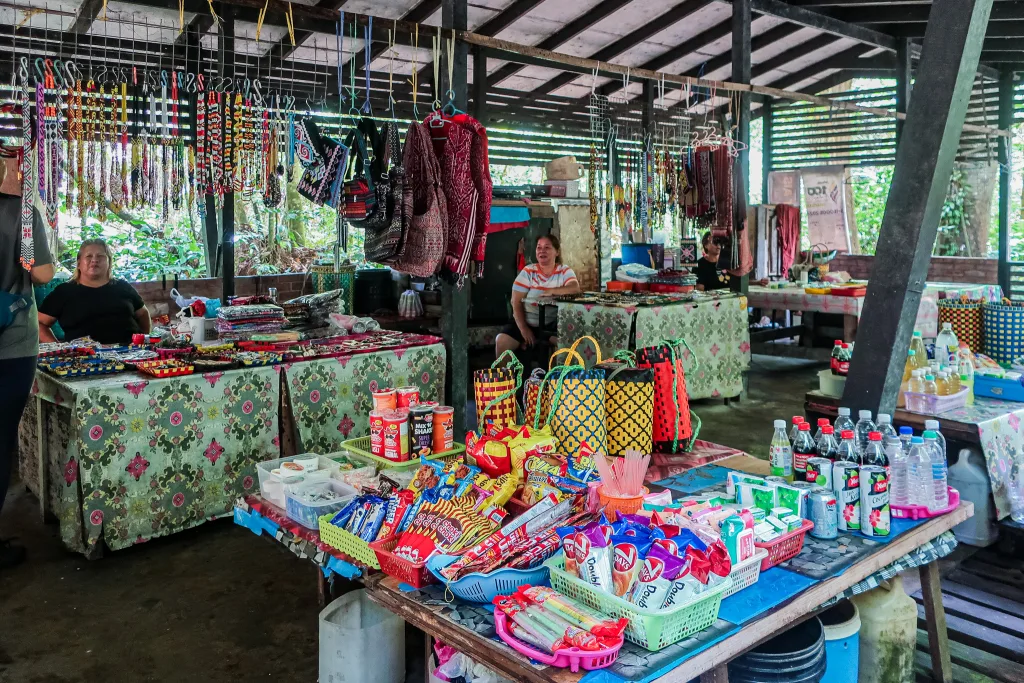
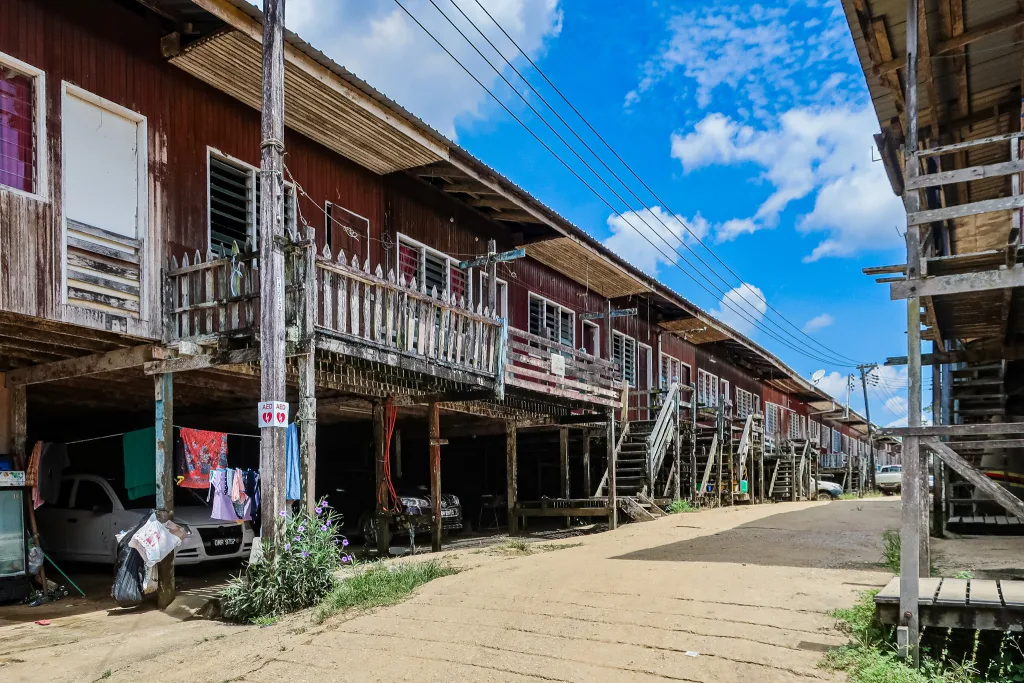
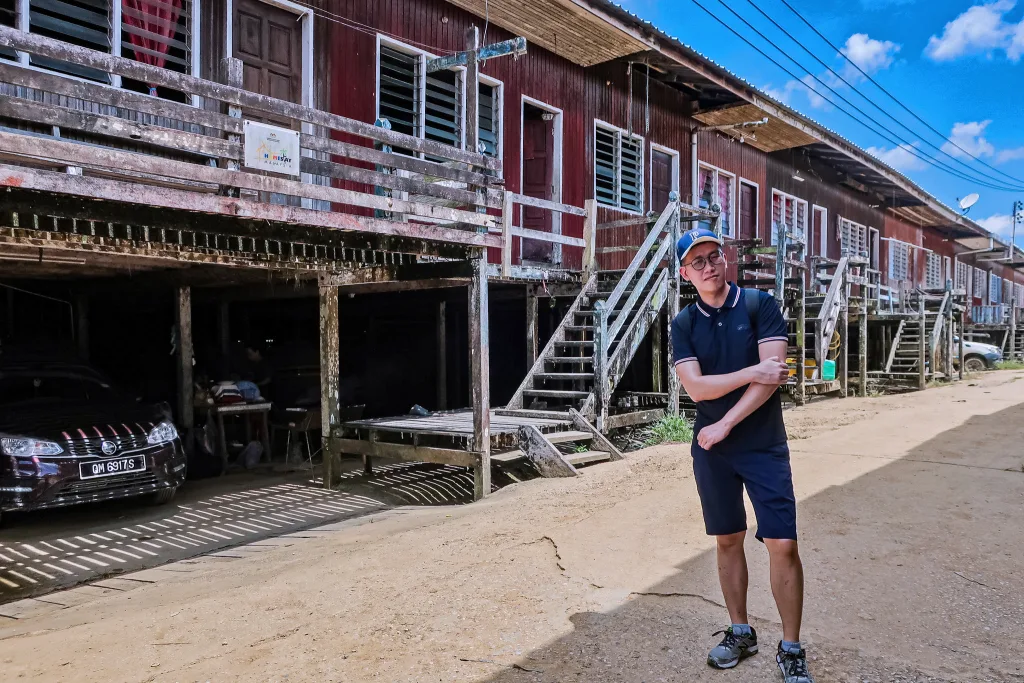
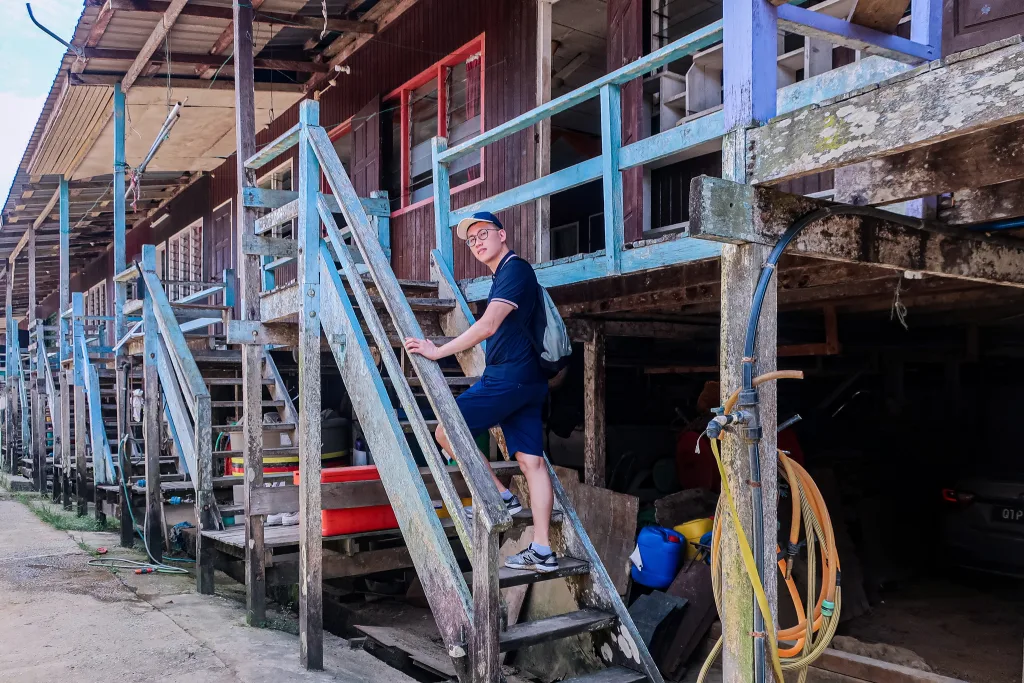
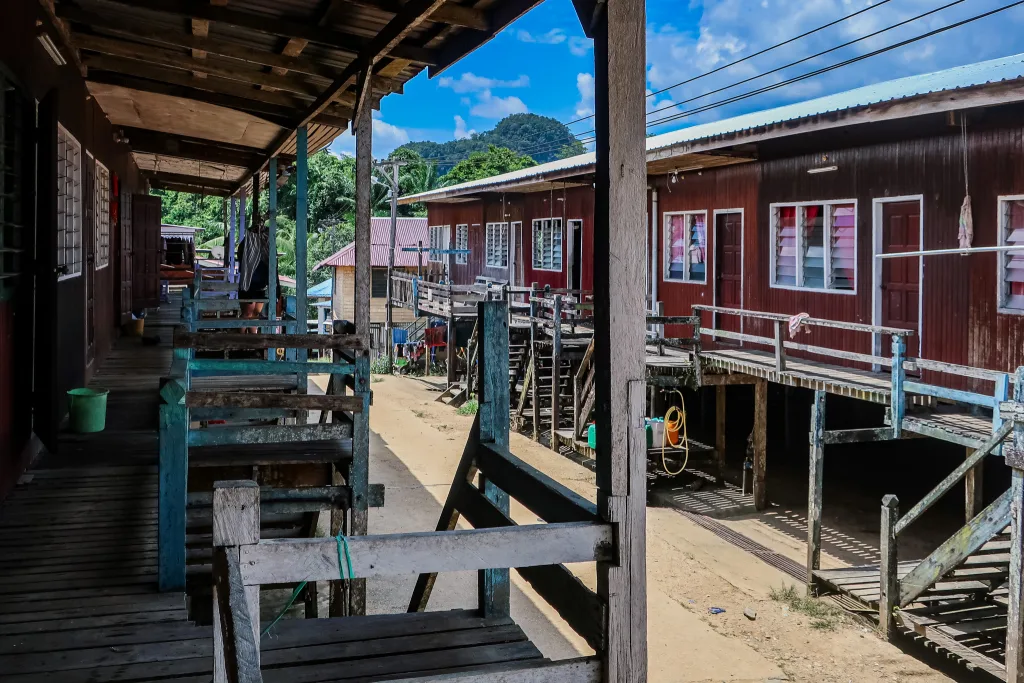
There are currently still habitants living in the long houses and we were welcome to explore around – except for their rooms. There were chickens in cages which I presume would probably end up as the residents’ meal. We were supposed to have lunch in this long house. Unfortunately, there was a slight miscommunication between our guide and the resident and the meal wasn’t prepared. Thankfully, a small makeshift stall at the entrance sold cold bottled drinks and biscuits—lifesavers indeed.
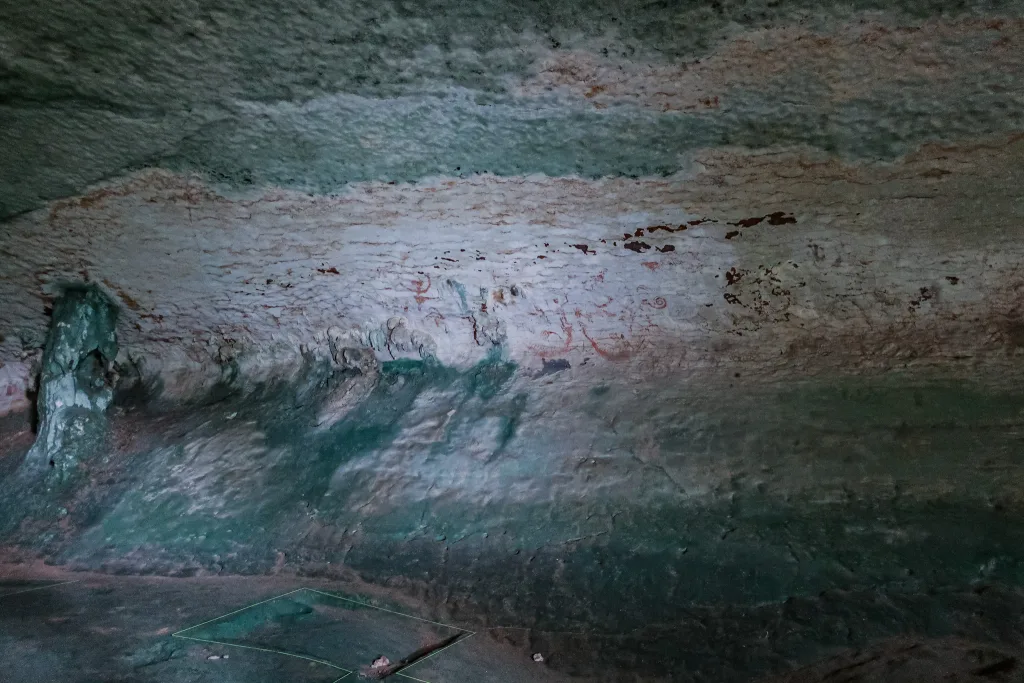
5) Niah Painted Cave
The final stretch leads to the Painted Cave, home to ancient wall paintings and burial sites. It is located in a separate and smaller limestone formation. Barbara Harrisson ‘rediscovered’ it in 1958, along with various other artefacts. Though faint, the reddish pigment figures on the cave walls may relate the journey of the dead to the underground world.
Countless Steps, and a Lot of Sweat
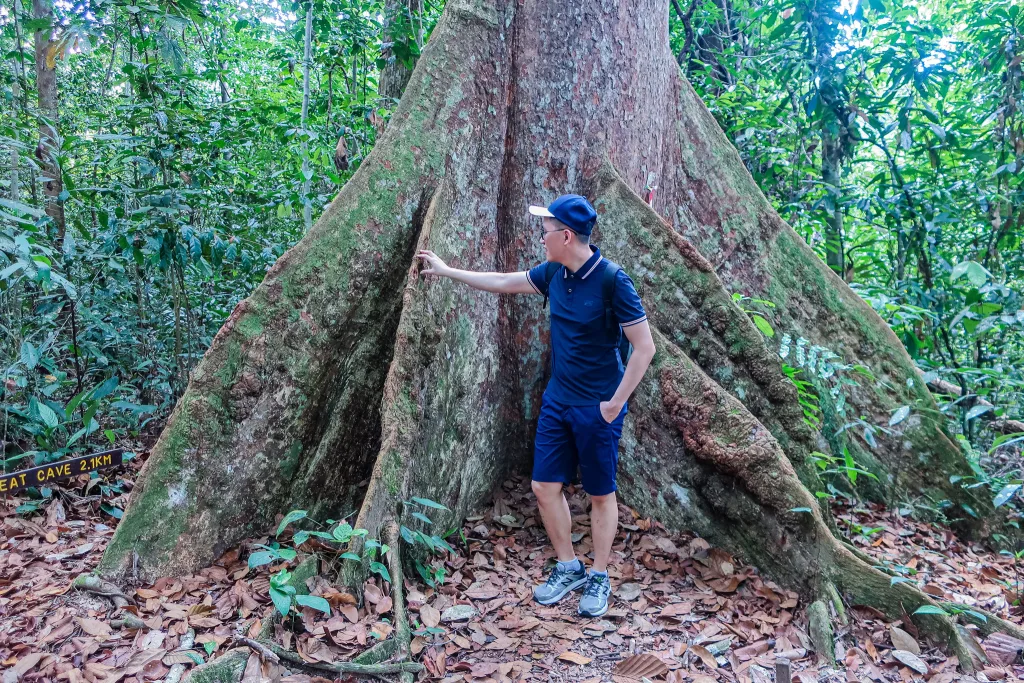
By the time we exited the park, my friend’s tracker showed that we had walked about 12km. I was completely drenched—literally marinating in my own sweat. The caves, the stone steps, and the humidity were no joke. Thankfully, it did not rain during our trek.
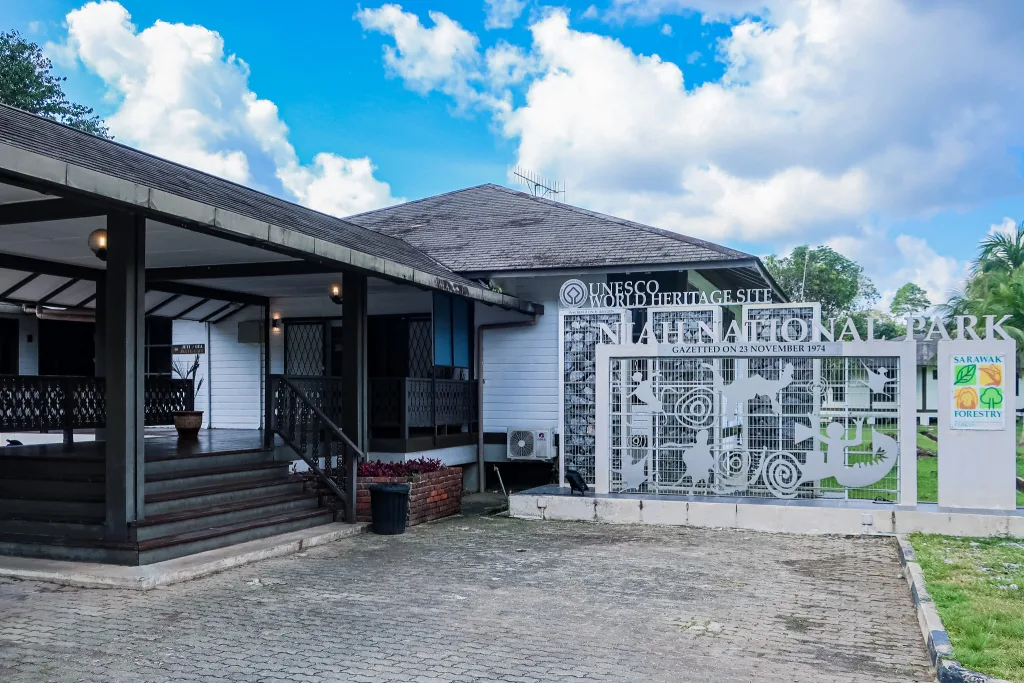
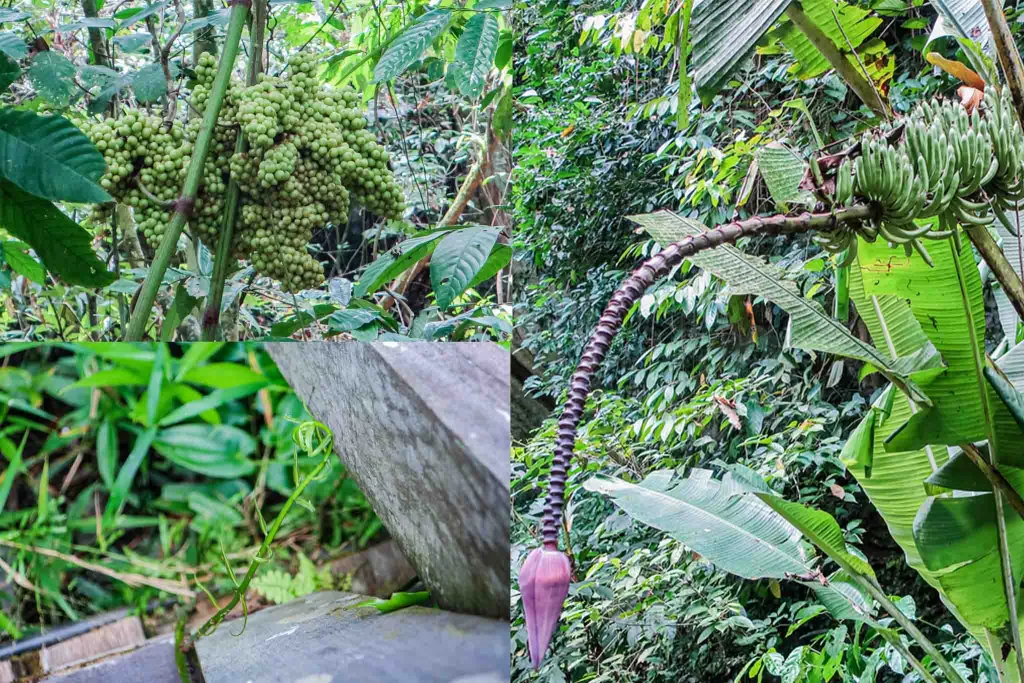
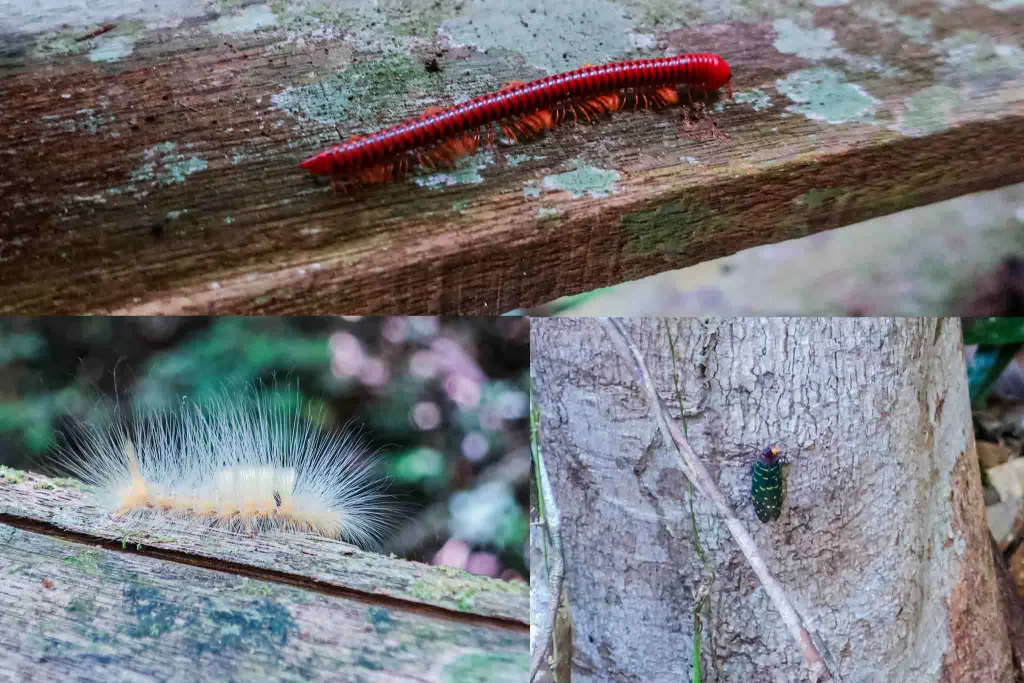
Even though I was worn out, the experience felt incredibly rewarding. I left with a much deeper appreciation for this UNESCO World Heritage Site—its history, wildlife, and the stunning nature. We spotted various crawlies, plants growing out of limestone, wild bananas, wild grapes, and more. Our guide was wonderfully knowledgeable, sharing stories about both the park’s history and its biodiversity.
If you are visiting Miri, Niah National Park is absolutely worth the trip—especially if you enjoy nature, history, or a good physical challenge. It is educational, immersive, and unlike anything else I had gone to so far (yet).
And if you have more time, consider visiting Gunung Mulu National Park as well. You will need to take a small plane there and stay for at least two nights, but it offers some of the most breathtaking cave systems in the world. This trip might have pushed me beyond my comfort zone, but it was an adventure, and I am glad I didn’t skip.
Do check out my other travel reviews too!