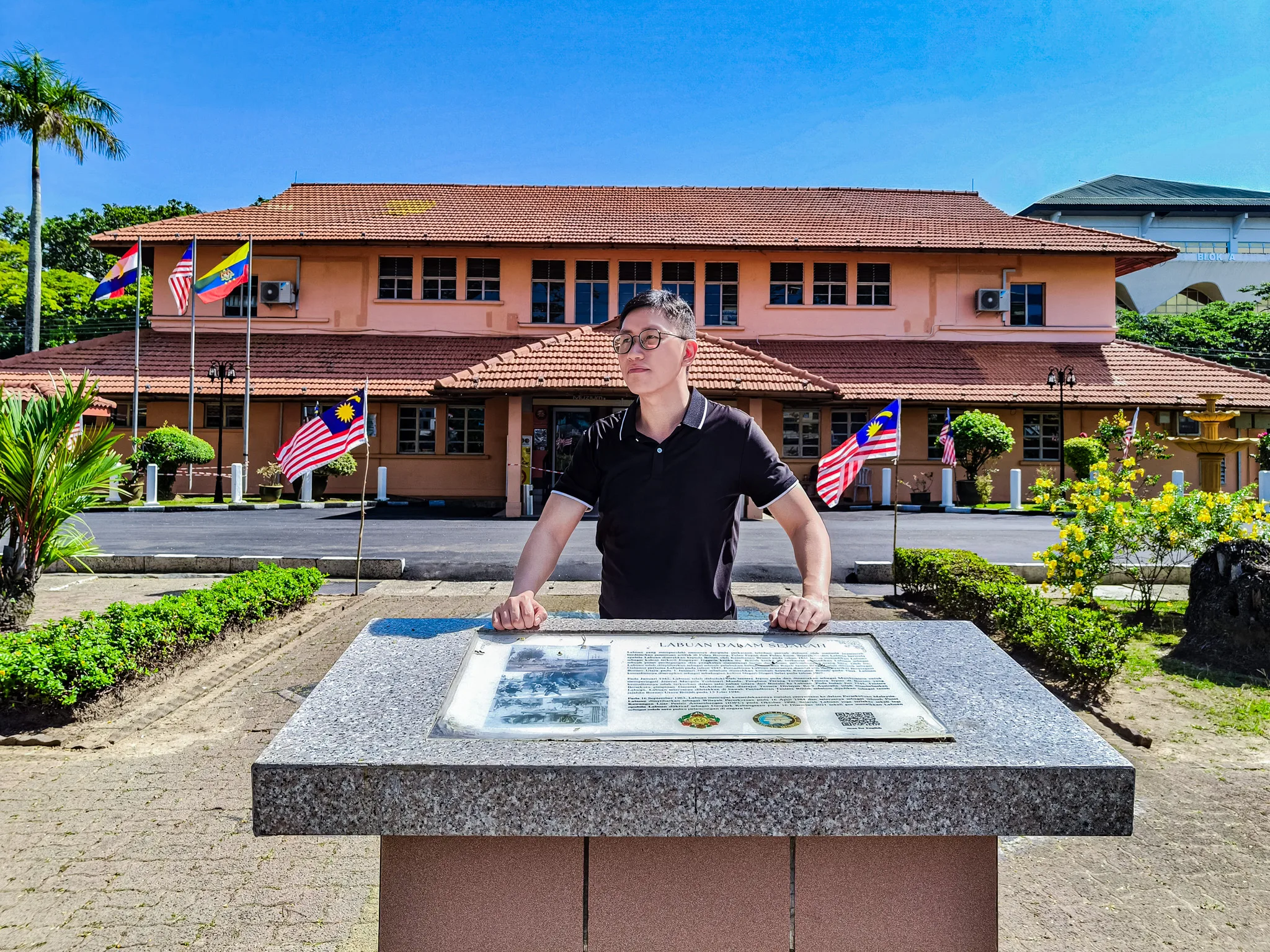
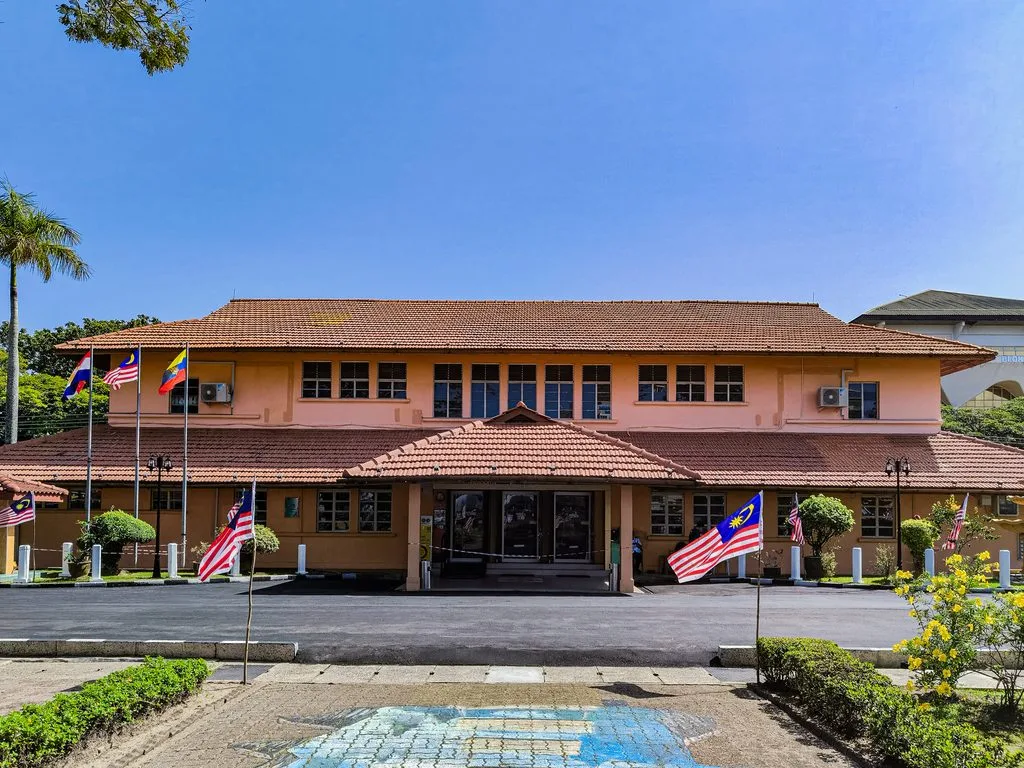
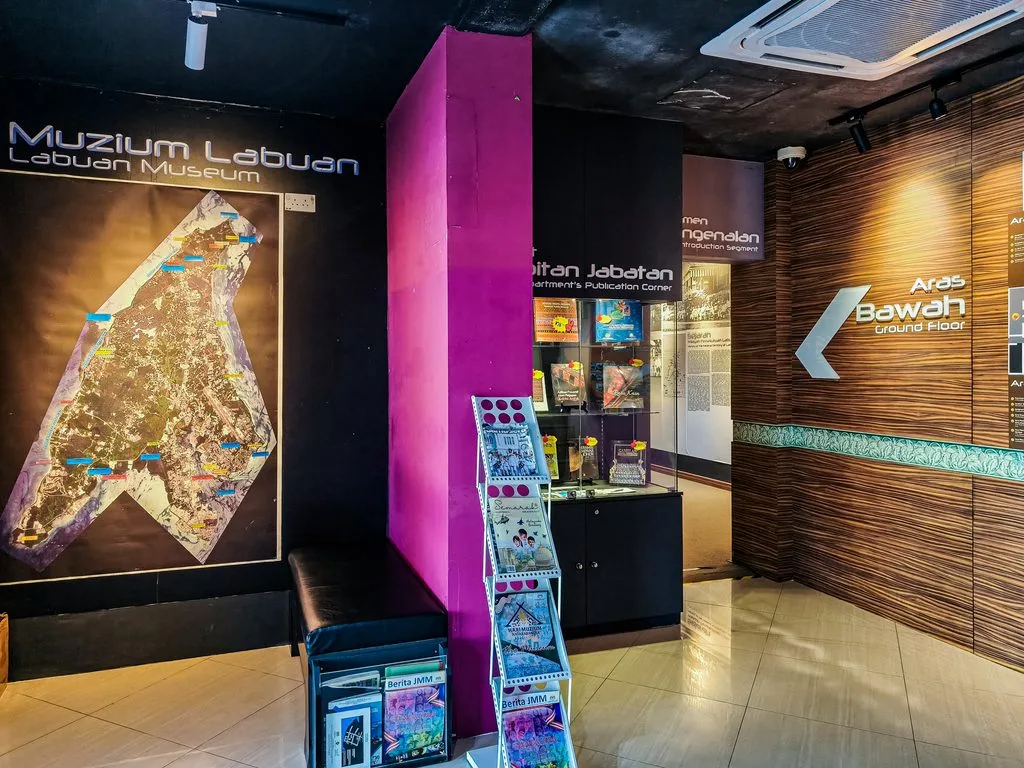
Labuan Museum was one of the attractions that I dropped by during my recent trip to the Federal Territory of Labuan. Located in the heart of Labuan Town, the museum offers visitors a deeper understanding of the island’s rich history, cultural heritage, and transformation over the centuries. Best of all, admission is completely free, making it a worthwhile stop for both tourists and locals alike.
On my second day in Labuan, right after enjoying a hearty breakfast of the island’s popular fish noodle soup, we set off on our first sightseeing adventure of the day. Since the museum only opens at 9.00am, we had plenty of time to enjoy breakfast at a leisurely pace before making our way there.
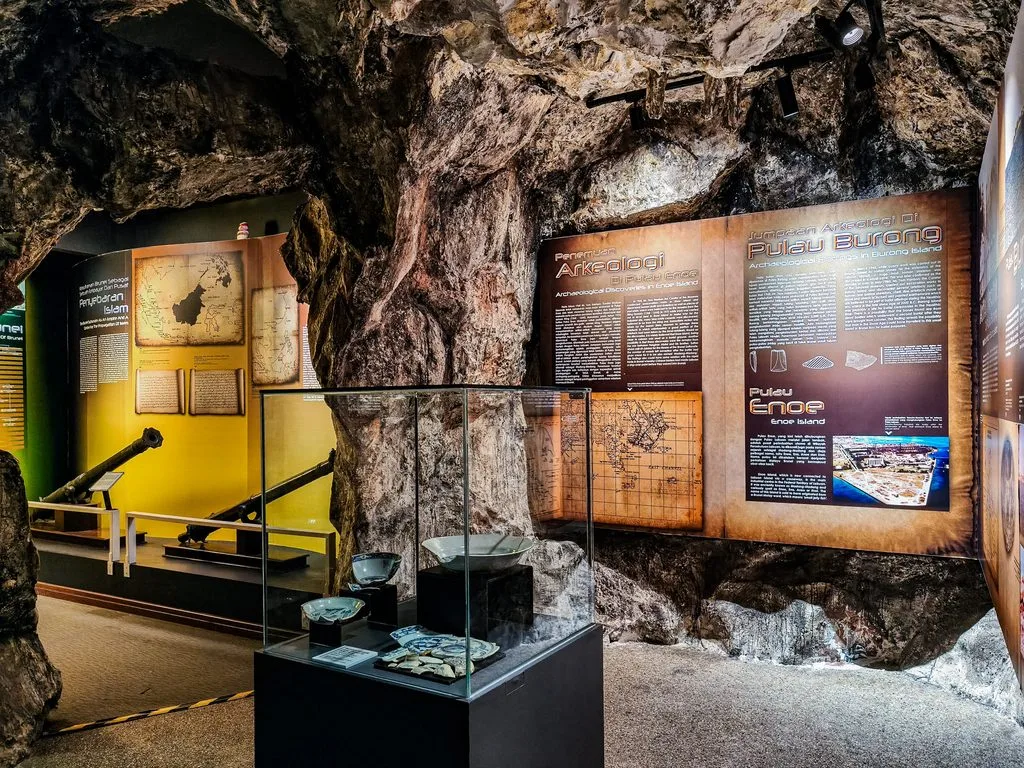
Labuan Museum Exploration
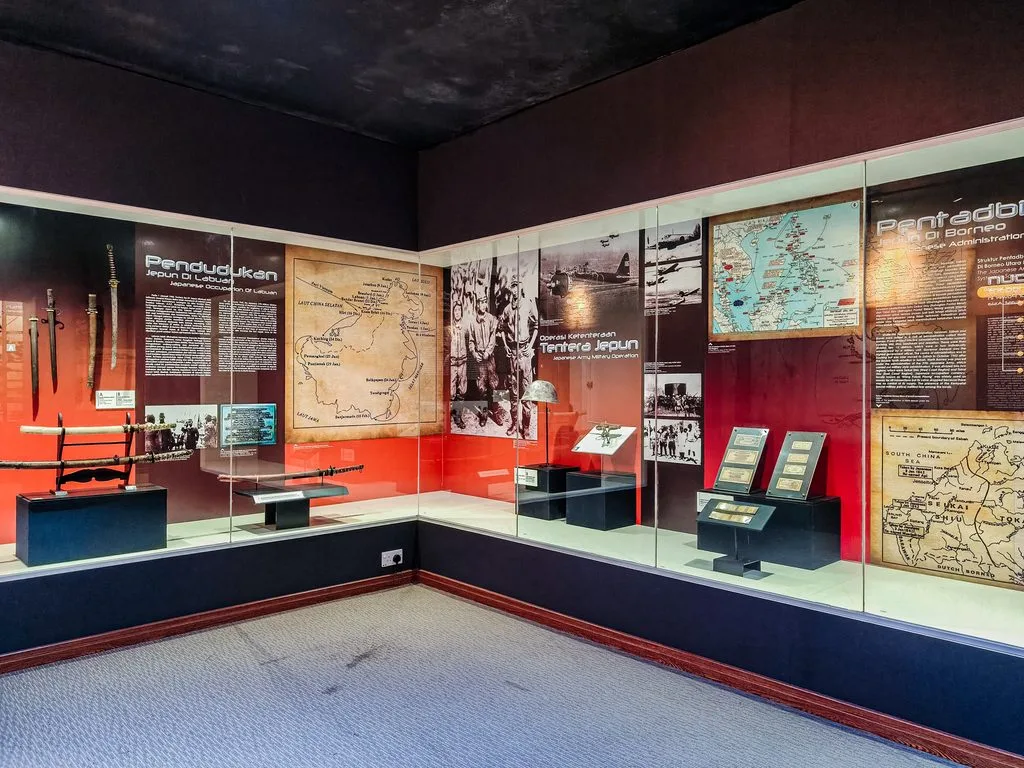
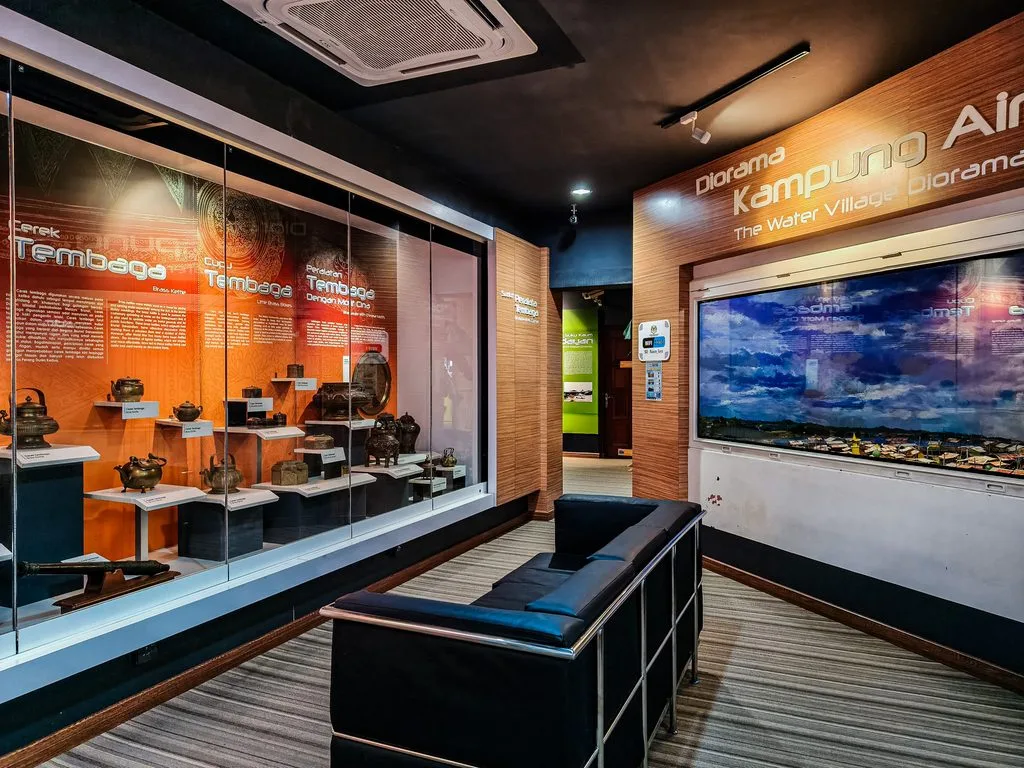
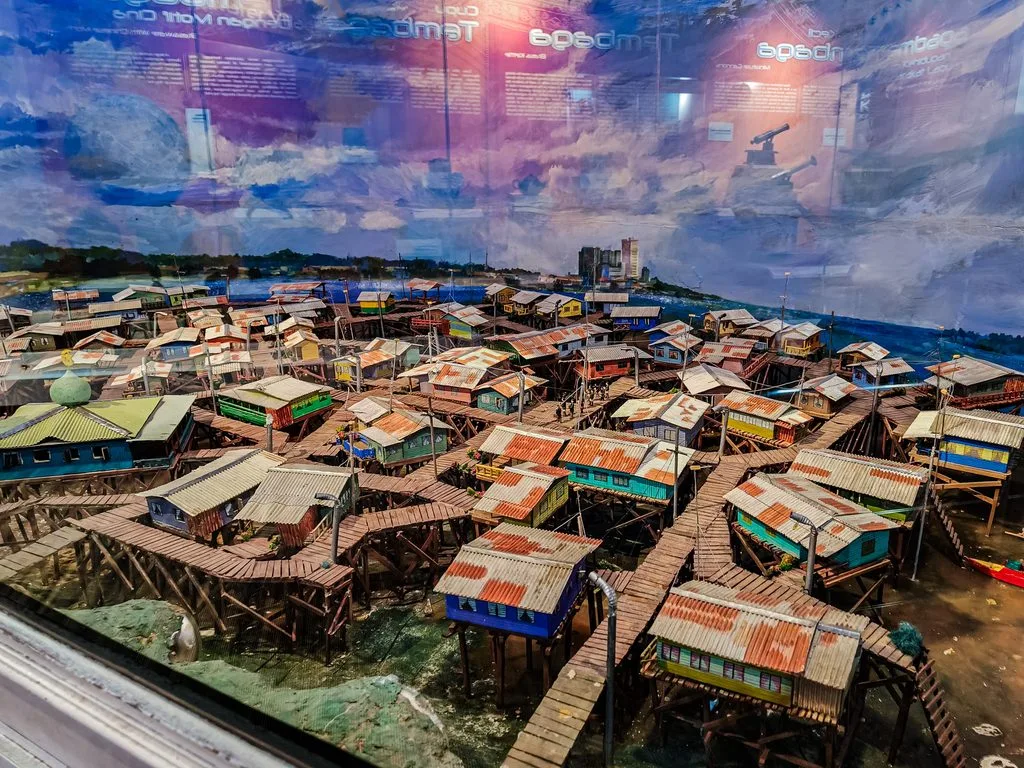
Labuan Museum is housed in a two-storey building. It focuses on the history and cultural heritage of the Federal Territory of Labuan. While relatively compact, the museum showcases numerous informative exhibits that guide visitors through the rich history of Labuan.
The historical galleries take visitors through a seven-stage transition period, beginning from the prehistoric era and continuing through the rule of the Brunei Sultanate, British colonial administration, the Second World War, Malaysia’s independence, and eventually the formation of Labuan Corporation. Various photographs, documents, artefacts, and information panels help bring these historical periods to life.
Labuan’s Free Port Status
One exhibit that caught my attention highlighted the reinstatement of Labuan’s free port status. When Labuan became part of the North Borneo colony in 1946, it lost its free port status. The island then came under the same tariff conditions as the rest of North Borneo. This affected the island’s economic growth, leading to calls for the restoration of its free port status.
Those efforts eventually succeeded. On 1 September 1956, Labuan regained its free port status after the Customs (Amendment No. 2) Ordinance 1956 was gazetted. The new ordinance allowed most goods to enter Labuan duty-free. However, liquor, tobacco products, and petroleum products remained subject to customs duties.
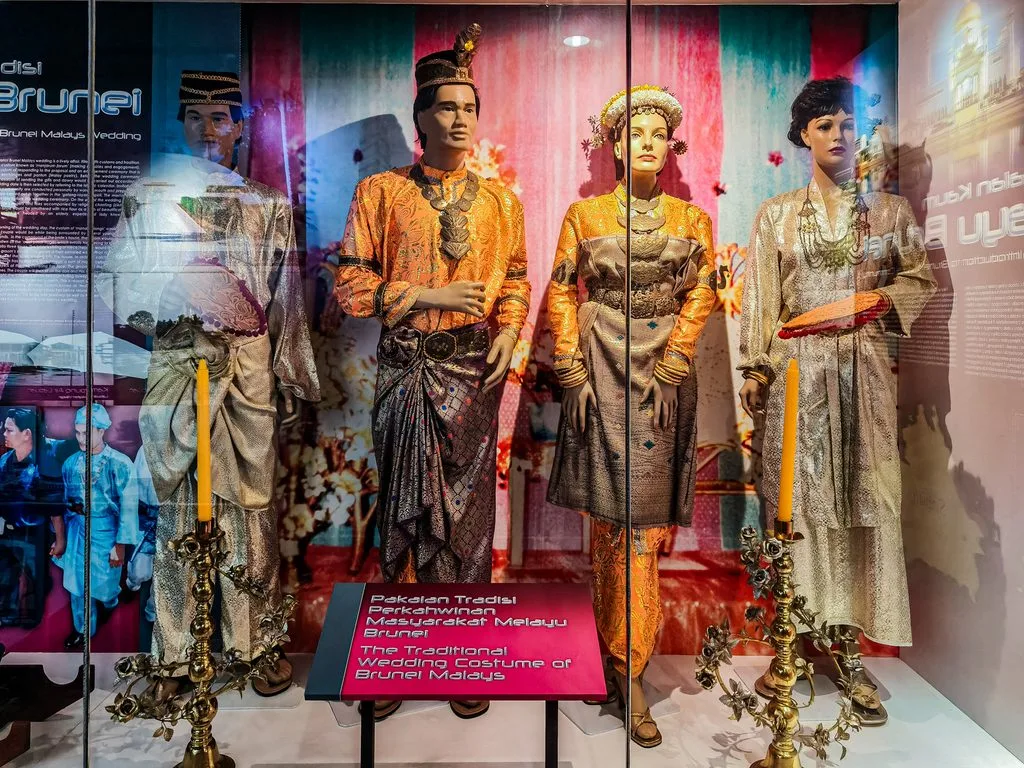
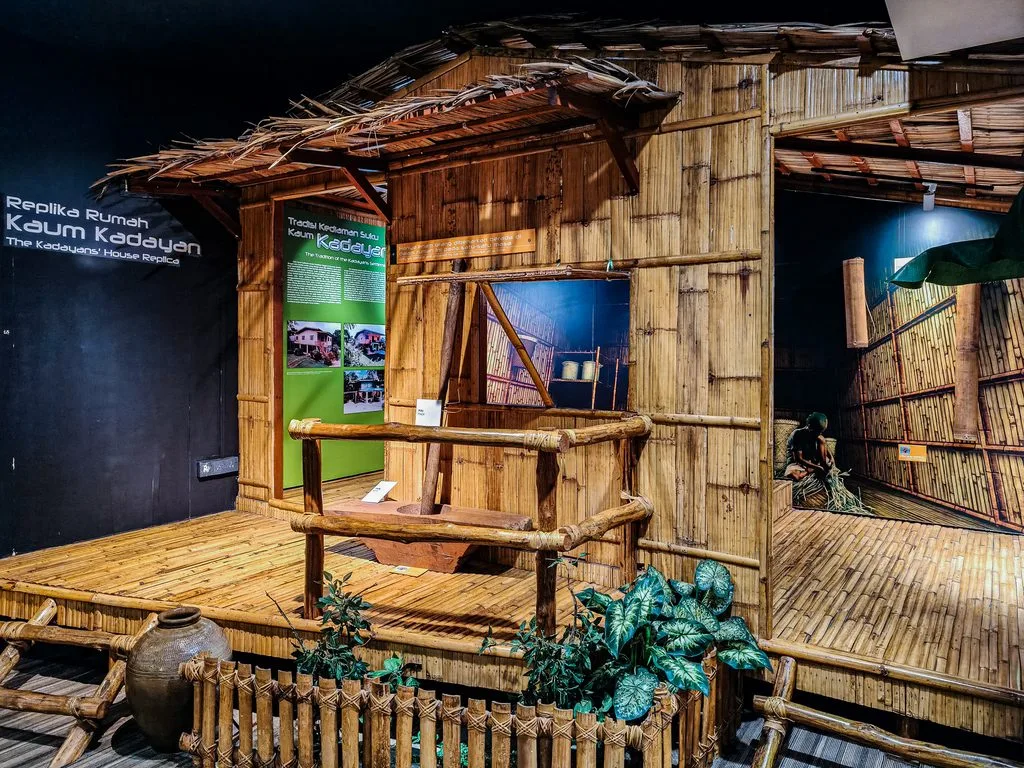
Beyond its history, the museum also celebrates Labuan’s multicultural identity. The cultural section features six galleries, each showcasing one of Labuan’s major communities: the Brunei Malays, Kadayan, Chinese, Kadazan-Dusun, Indians, and Sikhs. Each section showcases traditional costumes, household items, cultural practices, and economic activities that reflect Labuan’s diverse heritage.
Exploring the exhibits gave me a better appreciation of how Labuan’s diverse communities have shaped the island over the years.
Final Thoughts
For anyone visiting Labuan, I would recommend setting aside some time to explore the Labuan Museum. The museum provides an excellent introduction to the island’s history, culture, and economic development, all within a comfortable air-conditioned environment.
Whether you want to learn more about Labuan’s history, explore its journey as a free port, or simply escape the midday heat, the Labuan Museum is worth a visit. With free admission and informative exhibits across two floors, the museum is both enjoyable and educational.
Be sure to explore my other travel reviews and adventures for more travel inspiration.