Mari Mari Cultural Village is one of the must-visit tourist attractions in Kota Kinabalu for anyone interested in learning more about Sabah’s indigenous communities and traditional way of life.
As my friend had to return our rented vehicle that morning, I ended up visiting the cultural village on my own. Fortunately, getting there was fairly convenient. The ticket package I booked and communicated via WhatsApp included two-way transportation from my hotel.
After grabbing a quick breakfast nearby, I waited patiently for my driver to pick me up. Besides me, the driver fetched 3 other pairs of tourists from different hotels along the way. Once everyone was on board, we finally set off for Mari Mari Cultural Village, located east of Kota Kinabalu city. The journey took approximately 30 minutes by car.
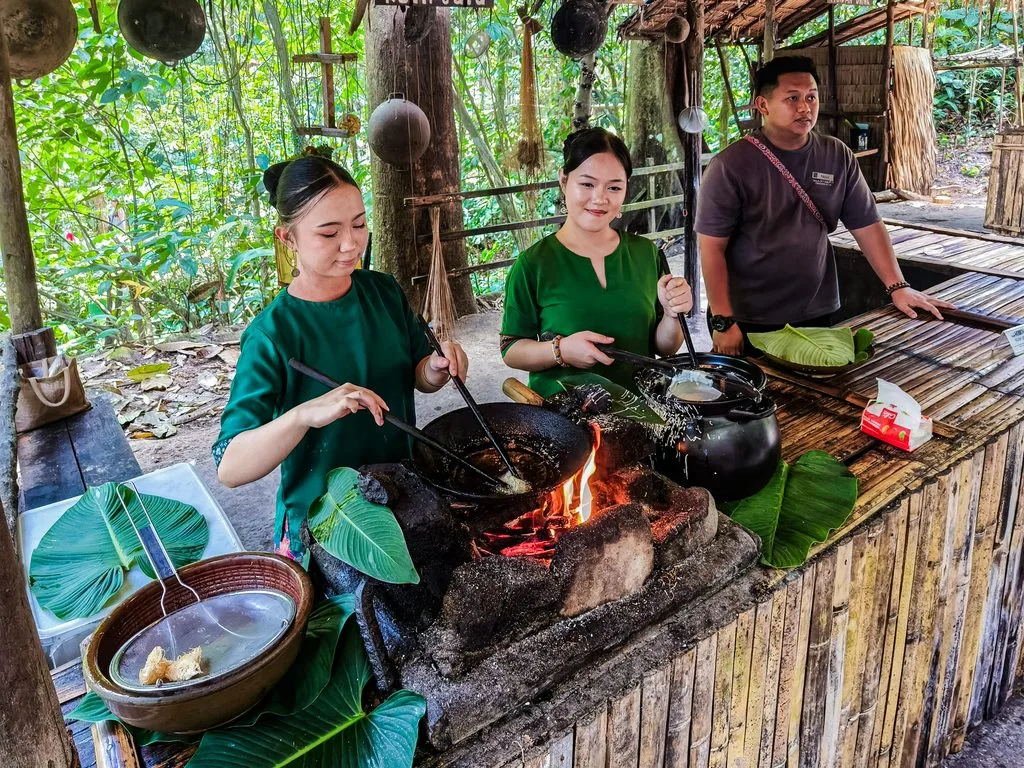
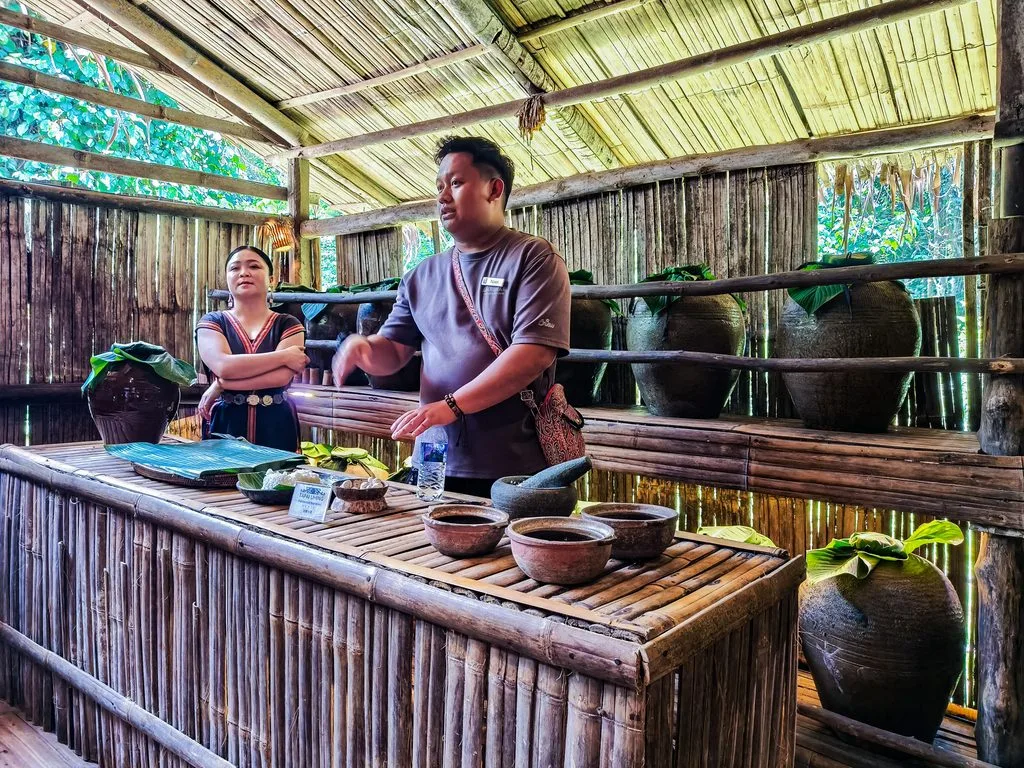
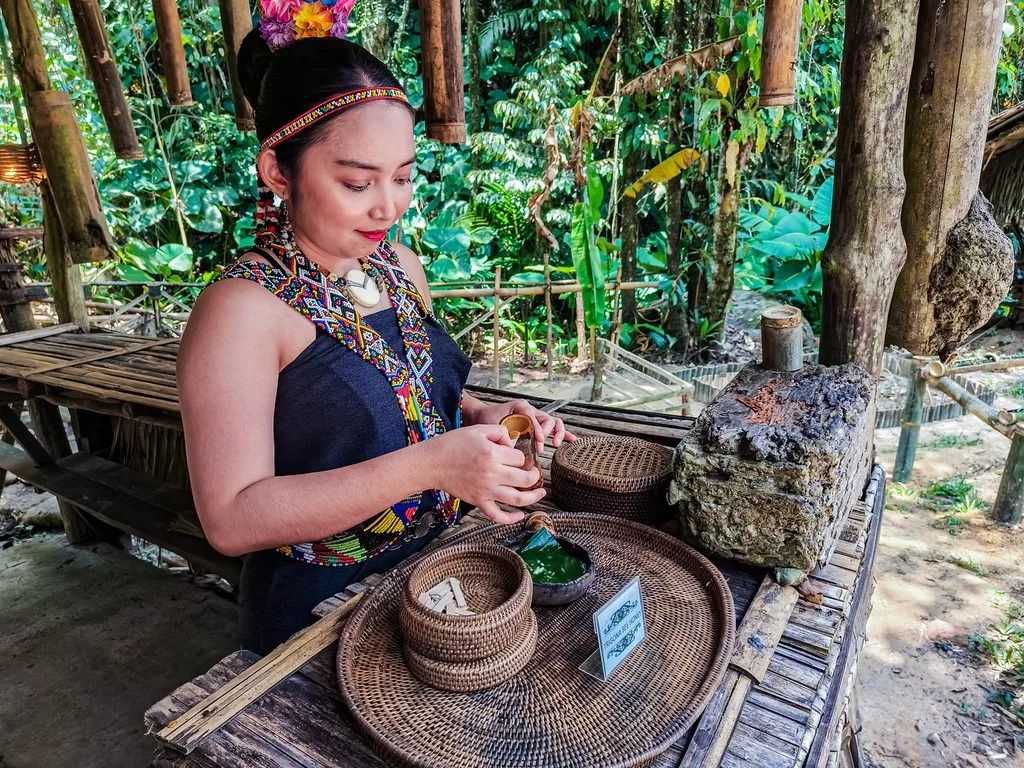
Mari Mari Cultural Village: Sabah’s Indigenous Cultures
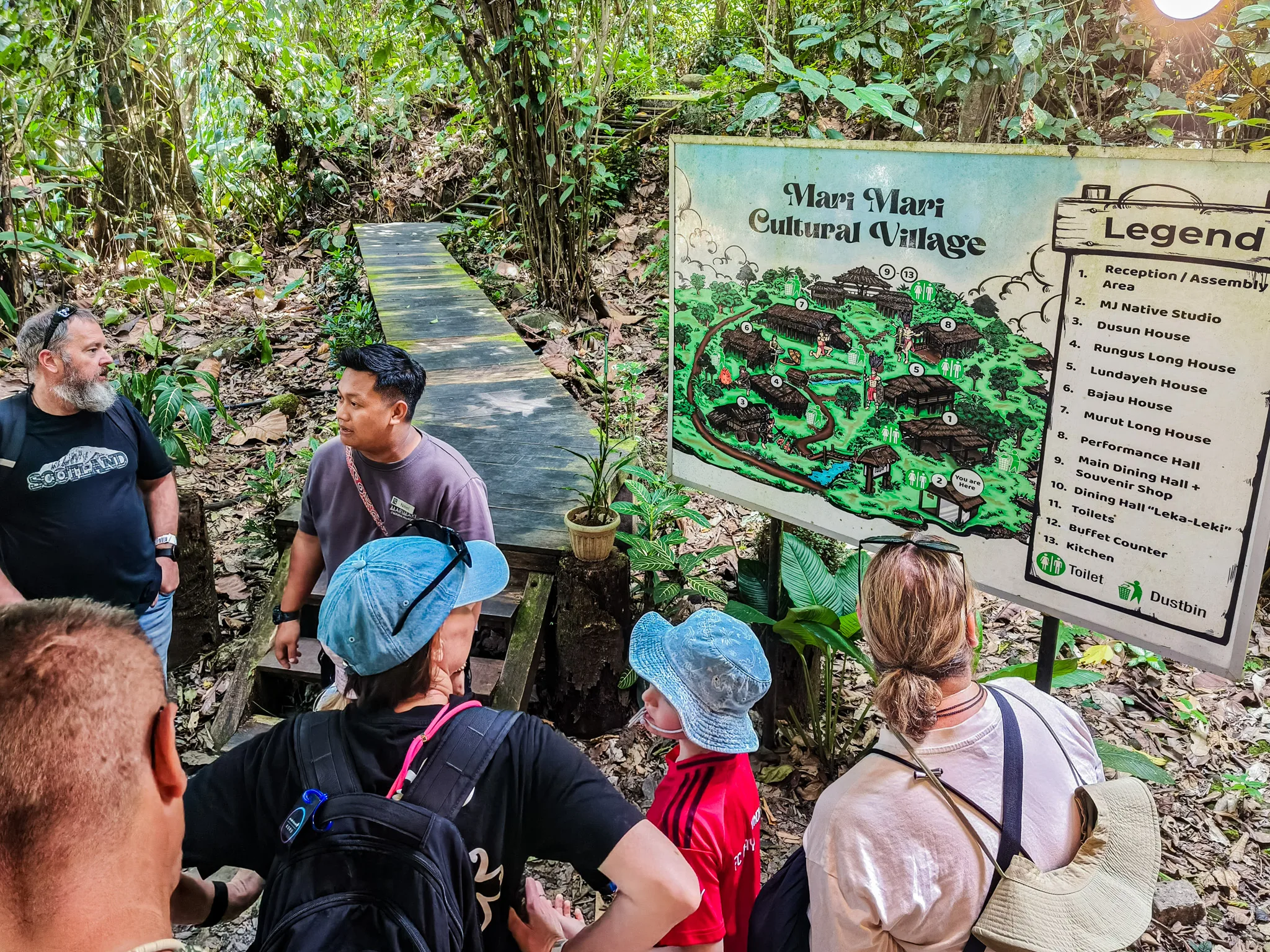
Upon arrival, we were organised into groups of around 10 visitors, with each group assigned a guide to bring us around the village.
Although Sabah is home to many more indigenous communities, the village provides visitors with an introduction to five distinct ethnic groups through their traditional houses, customs, crafts and daily activities. These include the Kadazan-Dusun, Rungus, Lundayeh, Bajau and Murut communities.
Here is a brief introduction to the five communities featured at the village:
1. Kadazan-Dusun
The Kadazan-Dusun community traditionally relies on rice farming and agriculture. They are also well known for celebrating Kaamatan, Sabah’s annual Harvest Festival, to give thanks for a successful harvest.
2. Rungus
The Rungus community is known for its traditional longhouses, intricate beadwork and distinctive traditional attire. Their communal lifestyle and craftsmanship are among the cultural highlights of this community.
3. Lundayeh
Traditionally living in Sabah’s interior and highland regions, the Lundayeh community has a strong connection to farming, hunting and fishing. Their traditional lifestyle reflects their close relationship with the surrounding forests and natural environment.
4. Bajau
The Bajau people have a long history of seafaring and fishing traditions. The Bajau community in Kota Belud is also particularly famous for its horse-riding culture, earning the area a reputation for its colourful horsemen.
5. Murut
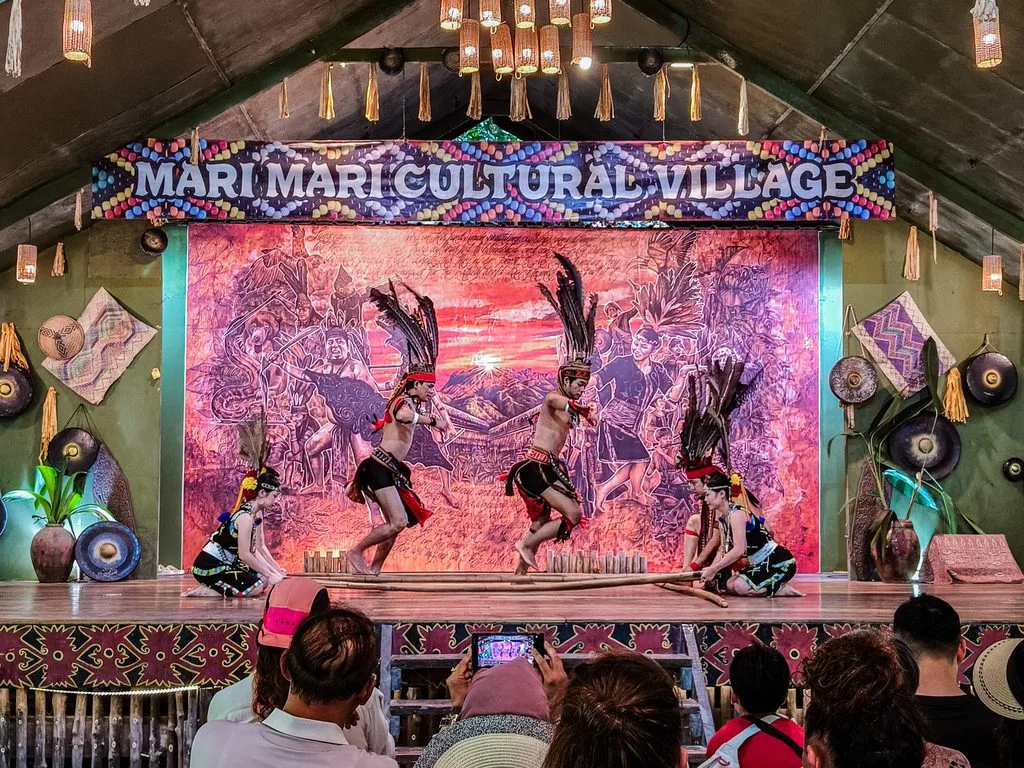
The Murut community, once known for headhunting, has a strong warrior heritage and is skilled in hunting and using traditional blowpipes. One of their best-known cultural performances is the Magunatip bamboo dance, which involves dancers skilfully stepping between moving bamboo poles.
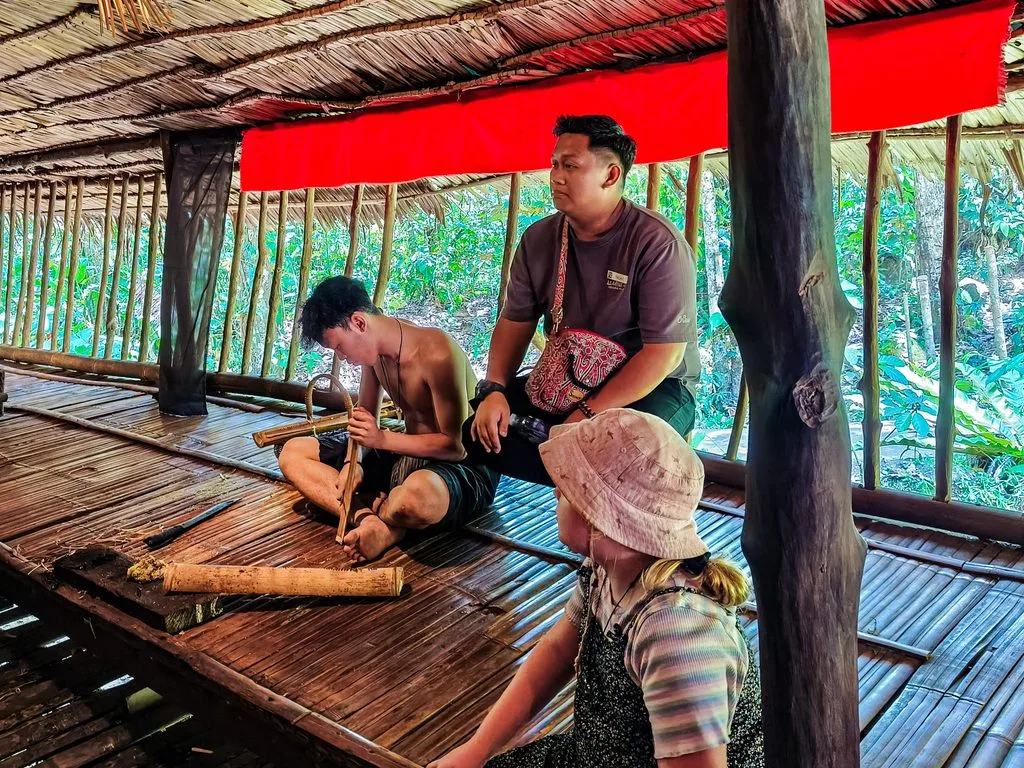
Exploring the Traditional Houses and Cultural Activities
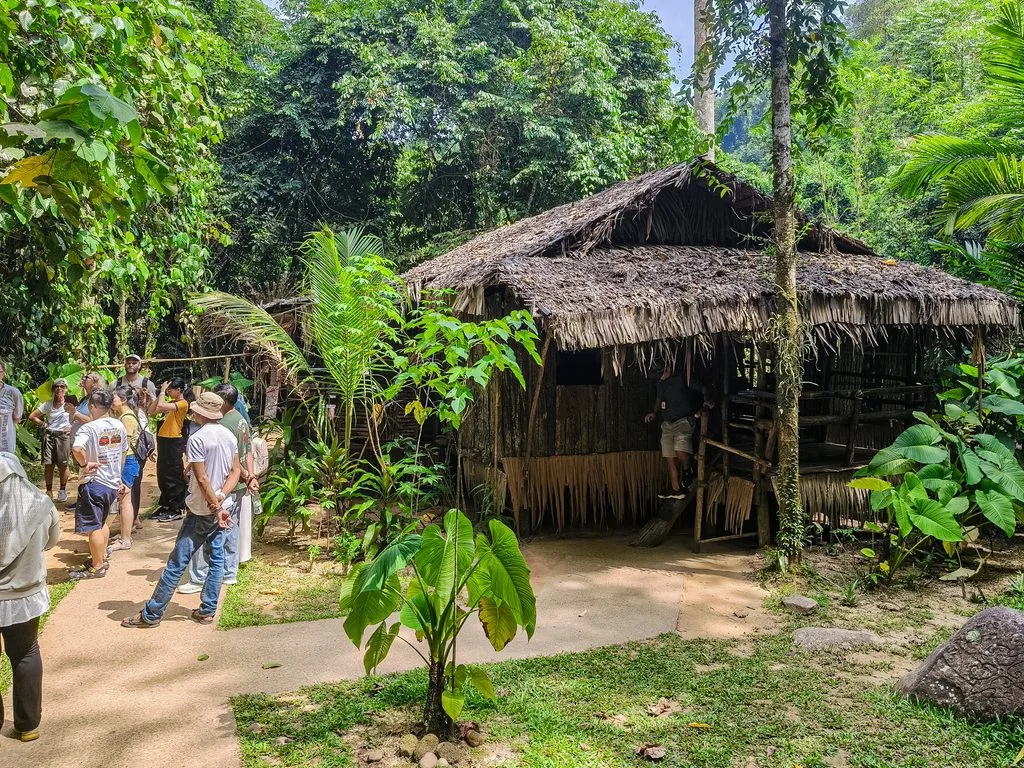
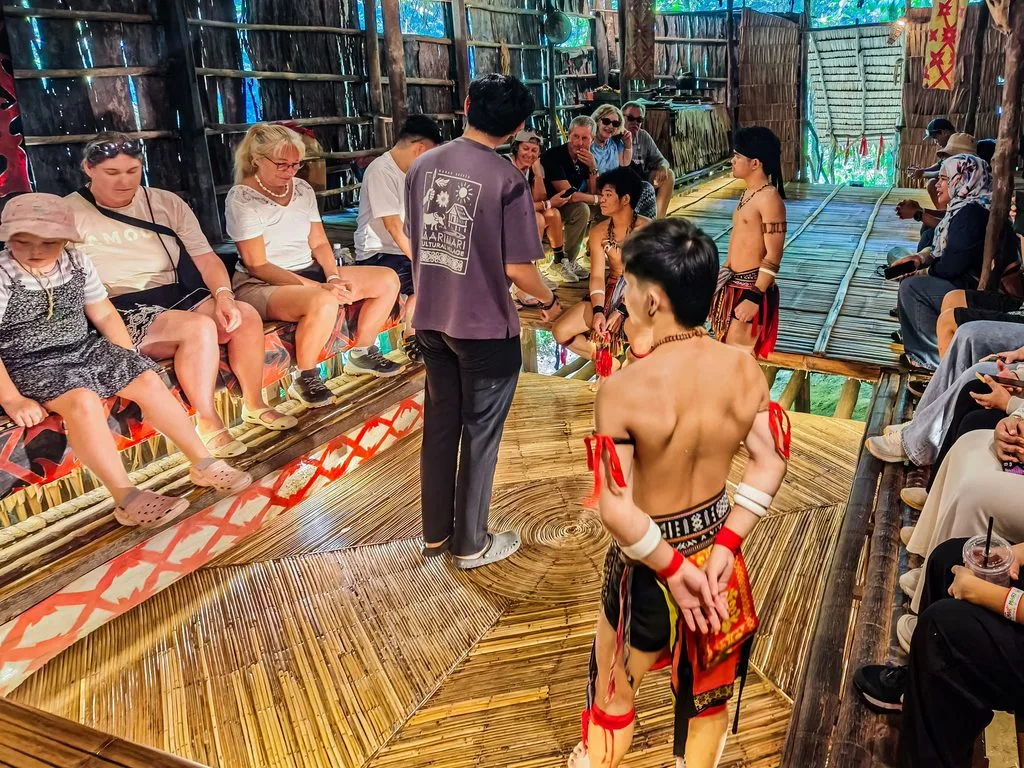
One of the most interesting parts of the tour was getting to explore the traditional houses representing the different ethnic communities. Each house featured distinctive architectural styles, and household items that offered a glimpse into how people lived in the past.
Some of the experiences to look out for include:
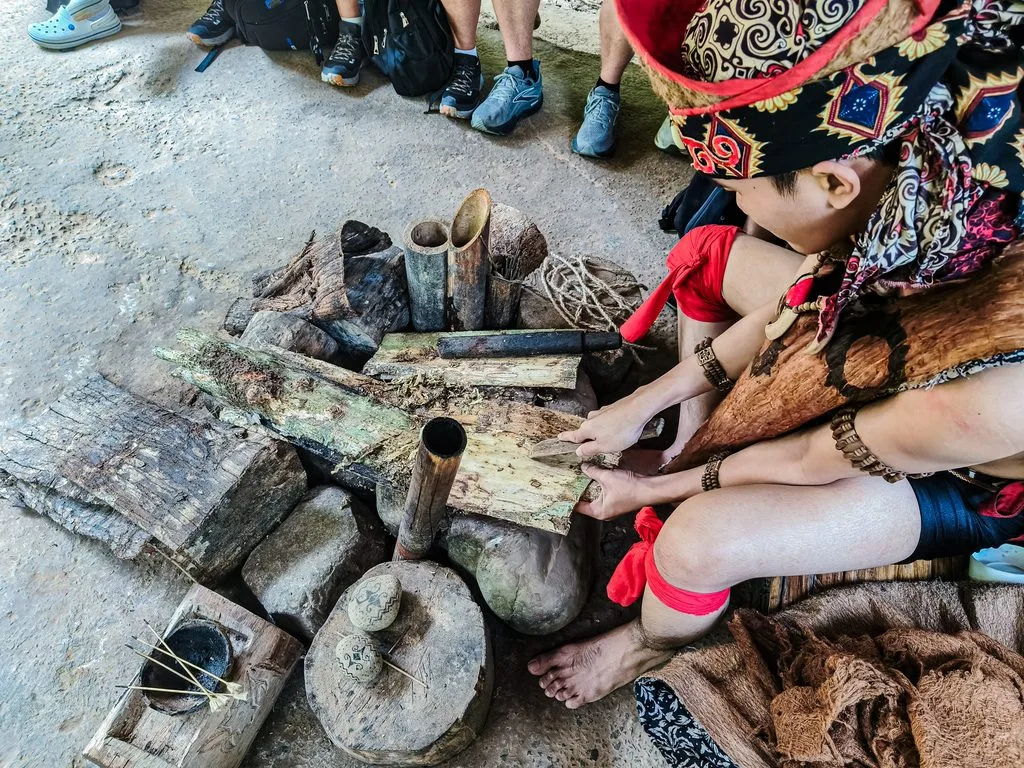
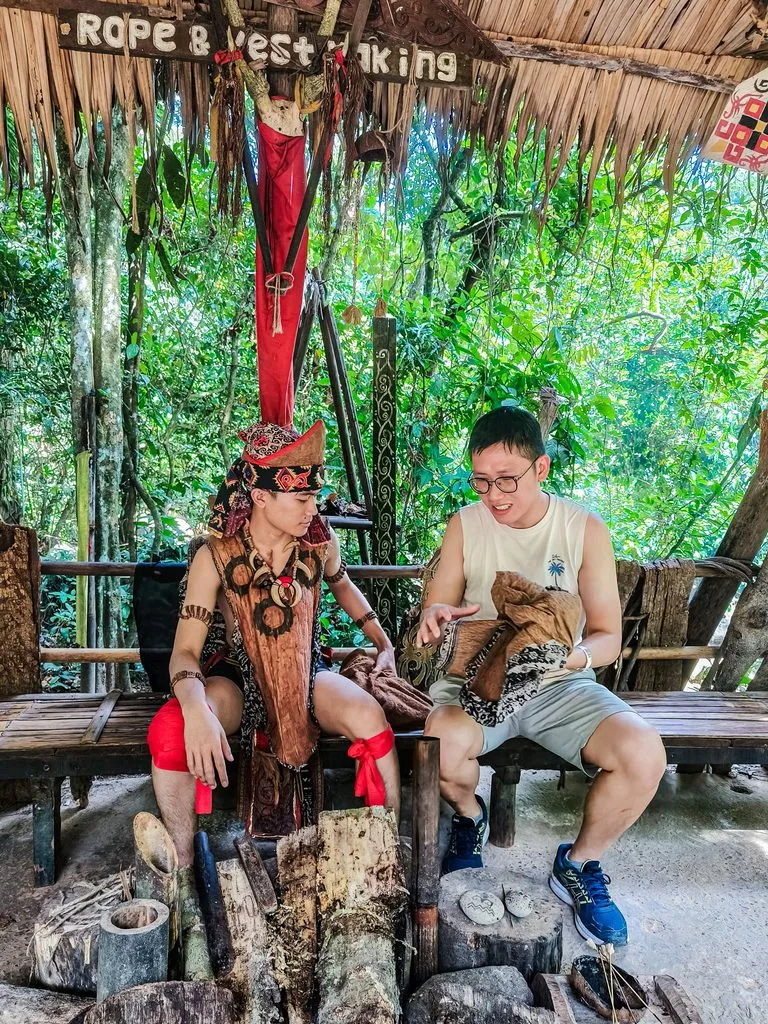
Traditional Fire-Making Demonstration
Learn how the indigenous communities used traditional methods to start fires before modern conveniences existed. It was interesting to see how people relied on simple tools and natural materials to start a fire.
Traditional Rice Wine and Other Food Tasting
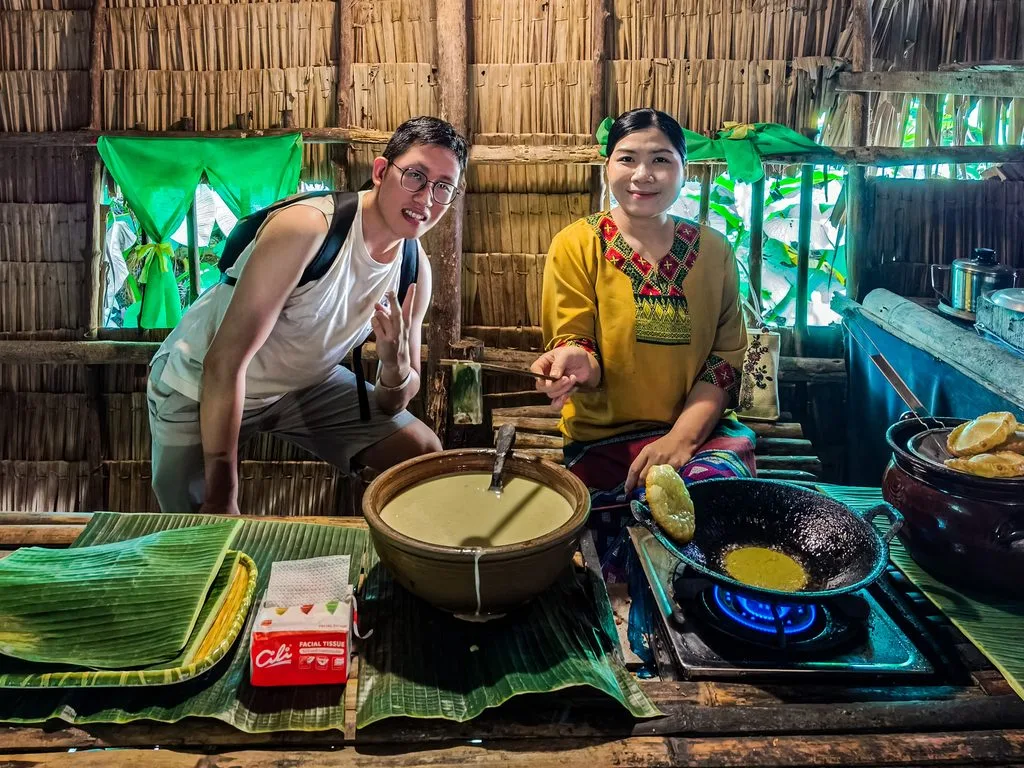
Rice wine, commonly known as Lihing among the Kadazan-Dusun, is an important part of traditional celebrations and social gatherings. Visitors can learn about its preparation and sample it during the tour. There was also other food such as honey, battered snacks and beverage for tasting.
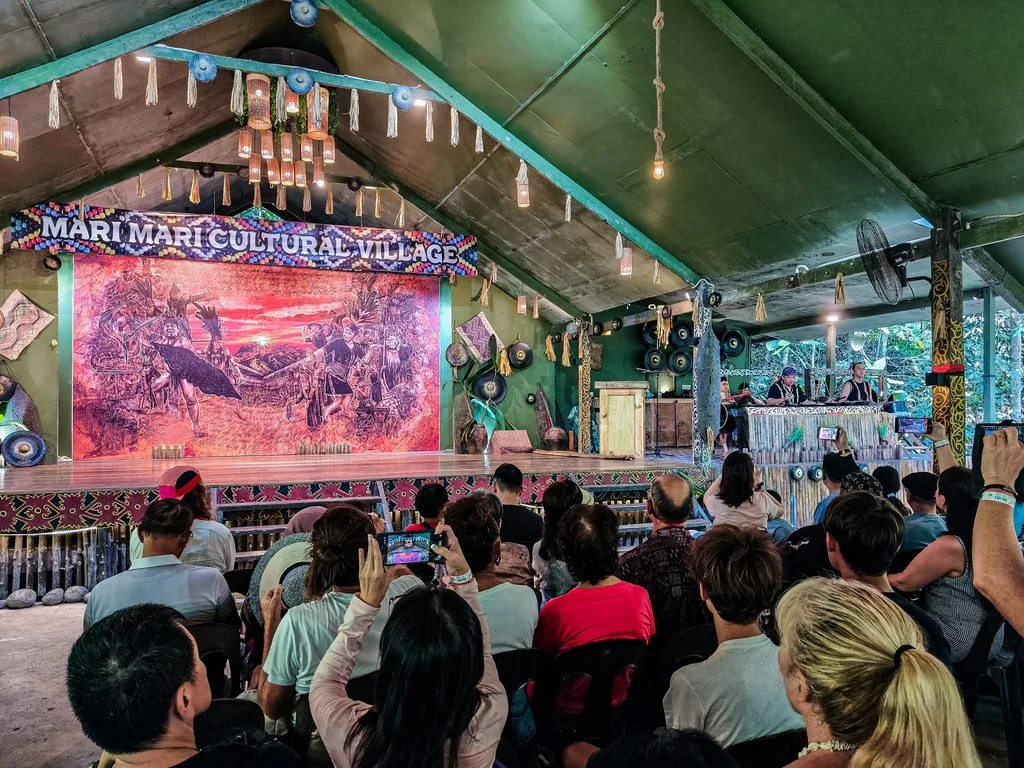
Traditional Cultural Dance Performance
The Magunatip dance is one of the highlights of Murut cultural performances. Dancers showcase their impressive coordination and agility as they swiftly step between rhythmically clapping bamboo poles.
Traditional Costumes and Photo Opportunities
Visitors can also admire or try on the colourful traditional costumes and accessories representing the different ethnic groups. However, the photo session comes at an additional cost.
Throughout the tour, our guide shared interesting stories and explanations about the different customs and traditions. It made the experience more engaging, especially for visitors who may not be familiar with Sabah’s indigenous cultures.
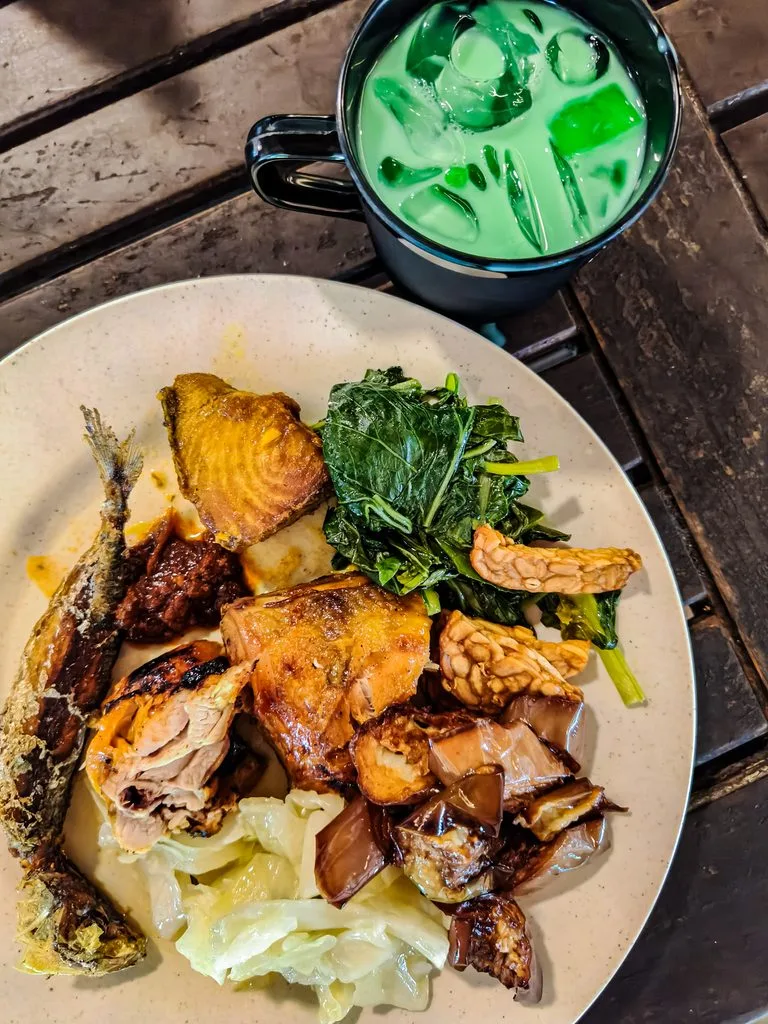
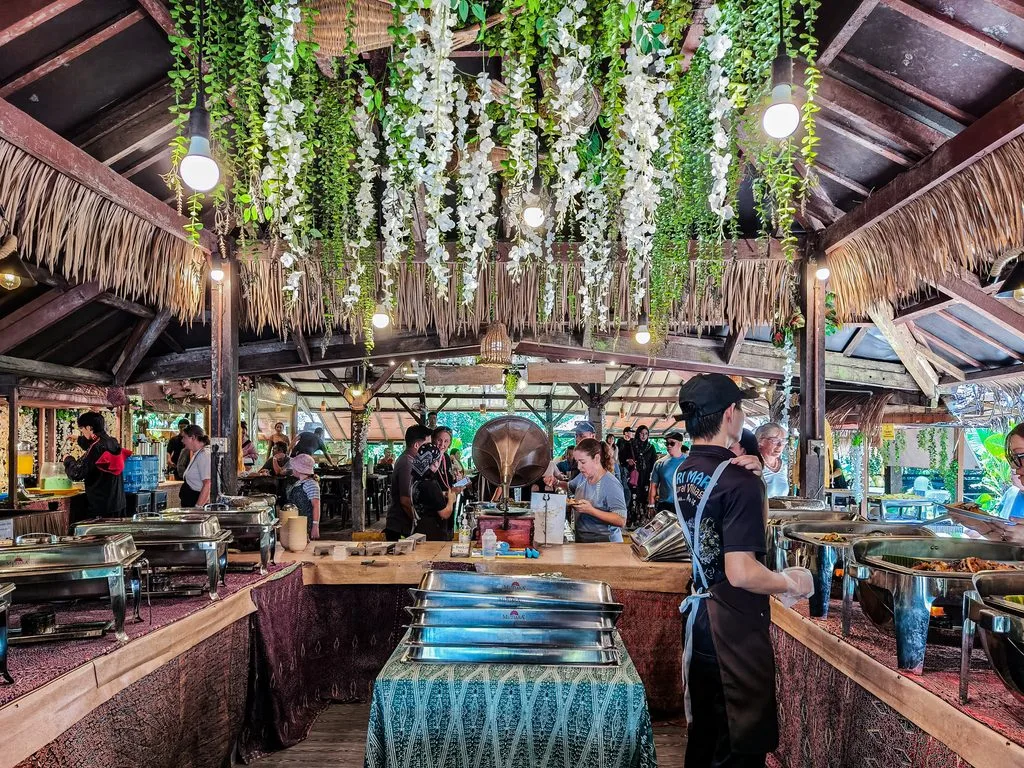
Traditional Food and Lunch Buffet
After the cultural tour, we enjoyed a buffet lunch featuring a variety of local and traditional dishes.
It was a nice way to end the experience, especially after walking around the village and learning about the different communities. The spread offered visitors an opportunity to sample some of Sabah’s local flavours. Trying local food is always one of my favorite ways to experience a destination. Thankfully the tour package includes the lunch buffet so we could discover more about Sabah’s food culture.
Final Thoughts: Is Mari Mari Cultural Village Worth Visiting?
Overall, my visit to Mari Mari Cultural Village was an enjoyable cultural experience and a worthwhile addition to my Kota Kinabalu itinerary. Even though I visited on my own, joining a small guided group made it easy to explore the village and learn about Sabah’s indigenous communities.
What I particularly enjoyed was the opportunity to see the traditional houses, watch the cultural demonstrations and learn about customs that are still an important part of Sabah’s heritage today.
If you are looking for something beyond the usual sightseeing spots in Kota Kinabalu, I would recommend setting aside half a day for this cultural experience. The convenient hotel transfer option also makes it a relatively fuss-free excursion, especially for visitors without their own transport.
Another cultural attraction worth looking into is Koisaan Cultural Village (KCV), which my friend visited the following day. It offers another opportunity to discover Sabah’s diverse indigenous cultures and traditions. Whether you choose Mari Mari Cultural Village or Koisaan Cultural Village, both provide an interesting introduction to the cultural heritage that makes Sabah such a fascinating destination.
Be sure to explore my other travel reviews and adventures for more travel inspiration.