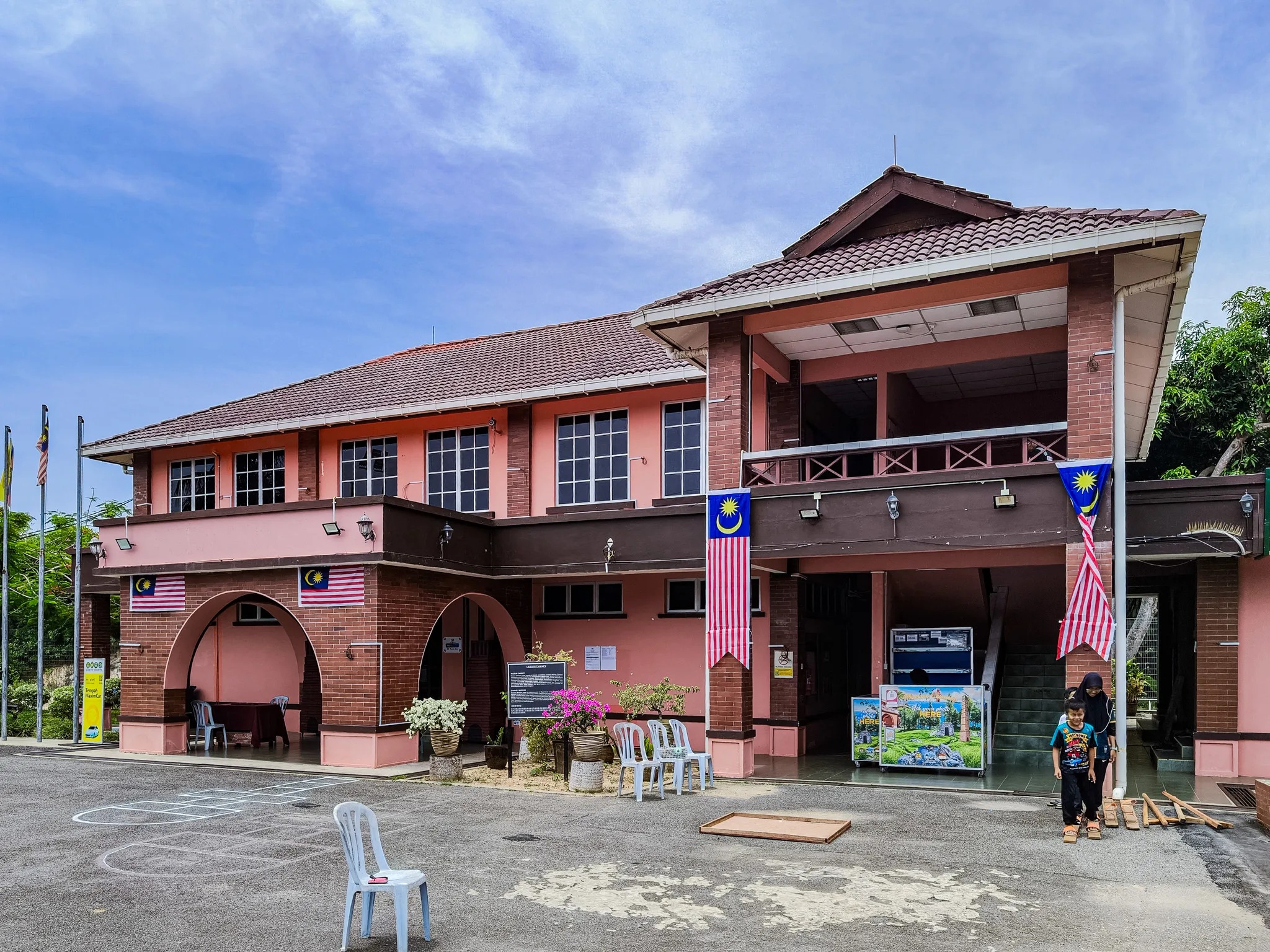
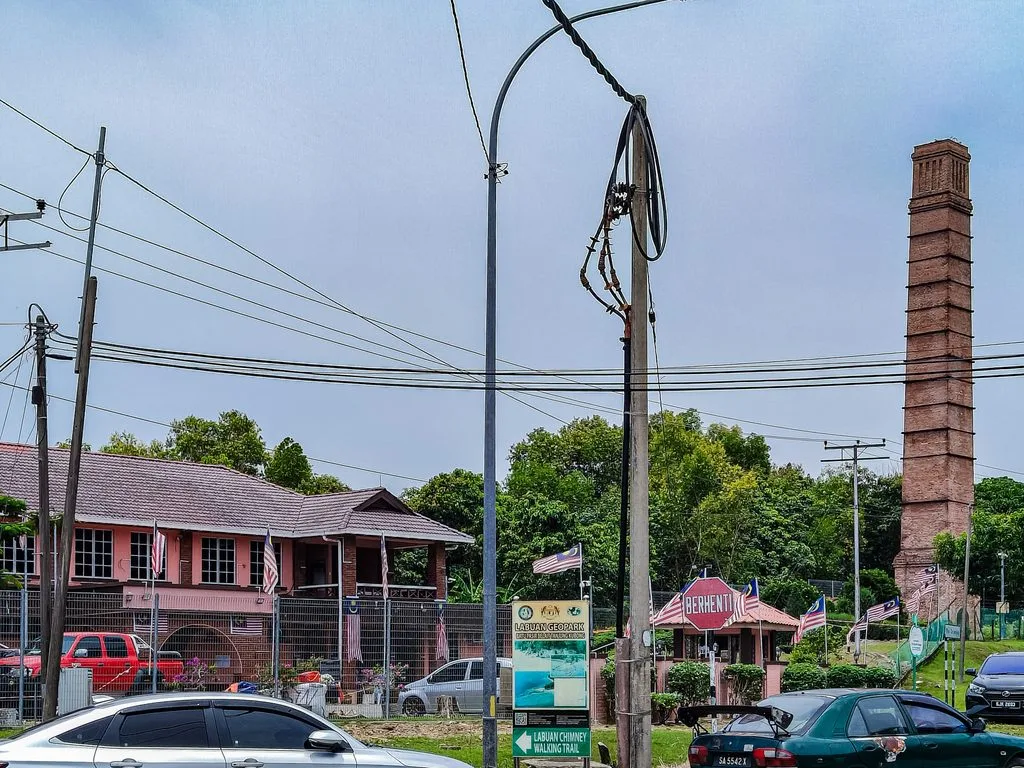
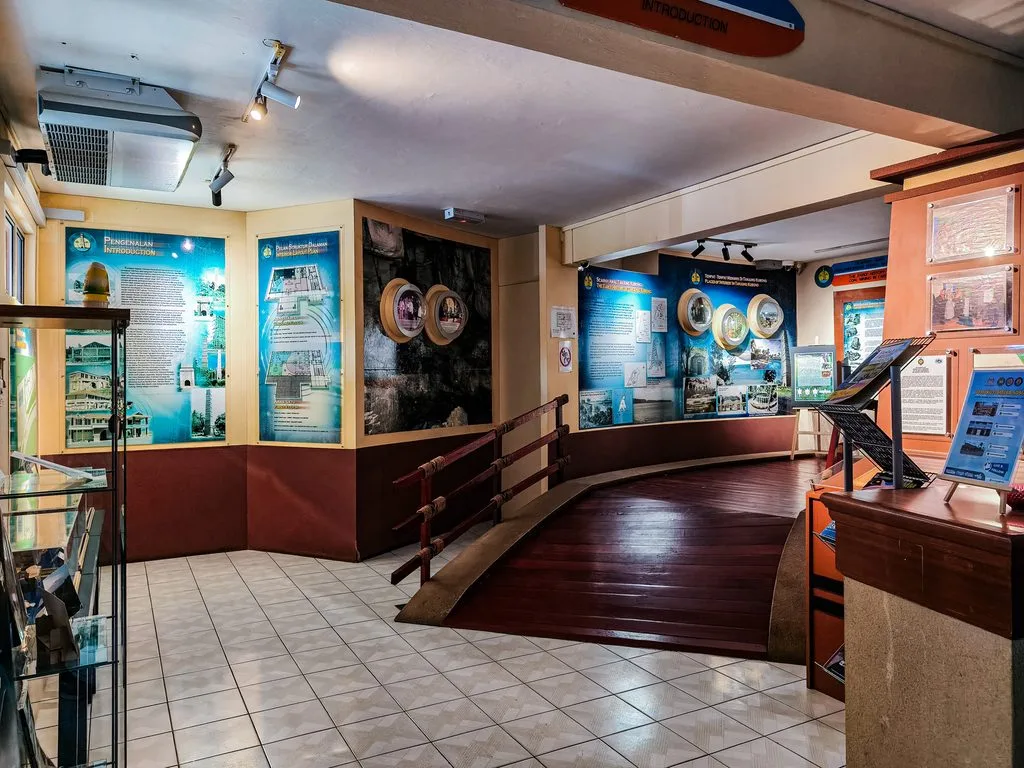
Labuan Chimney Museum is one of the most famous and unique historical landmarks in the Federal Territory of Labuan. Located in the northern part of the island, right beside Labuan Bird Park, it offers visitors a glimpse into Labuan’s coal-mining history during the British colonial era.
We took a Maxim ride to get there, and the journey took only about 20 minutes. If you are exploring the northern part of Labuan, the museum is worth adding to your itinerary. Especially, if you enjoy learning about local history and visiting places beyond the usual tourist attractions.
The Mysterious Labuan Chimney
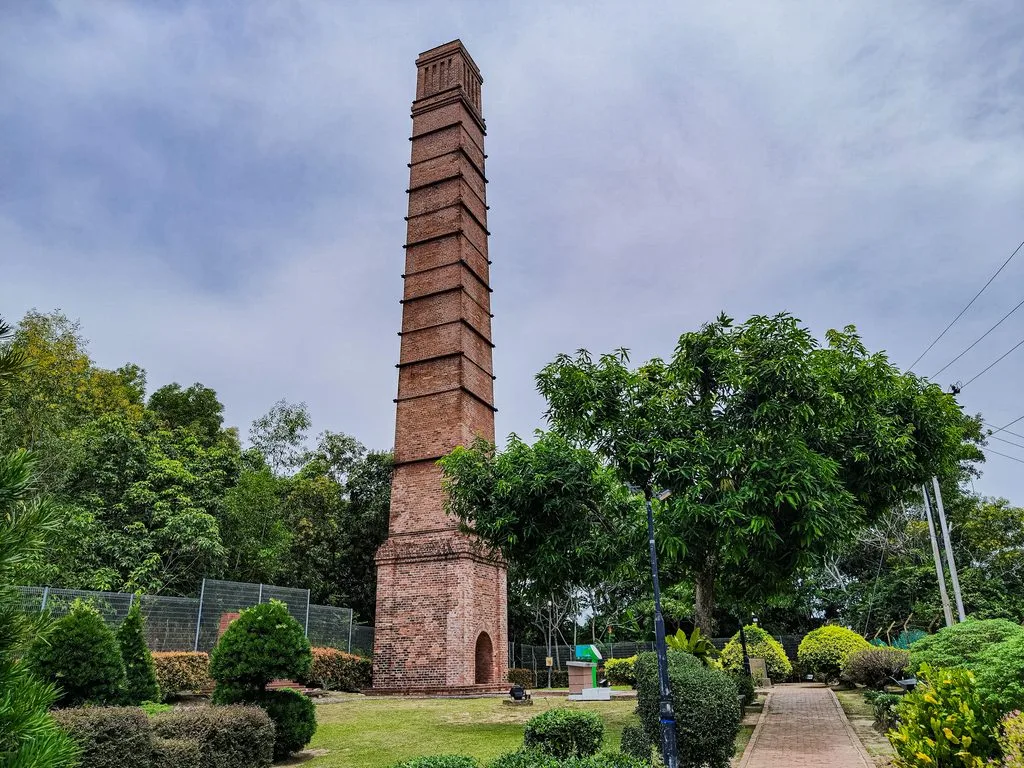
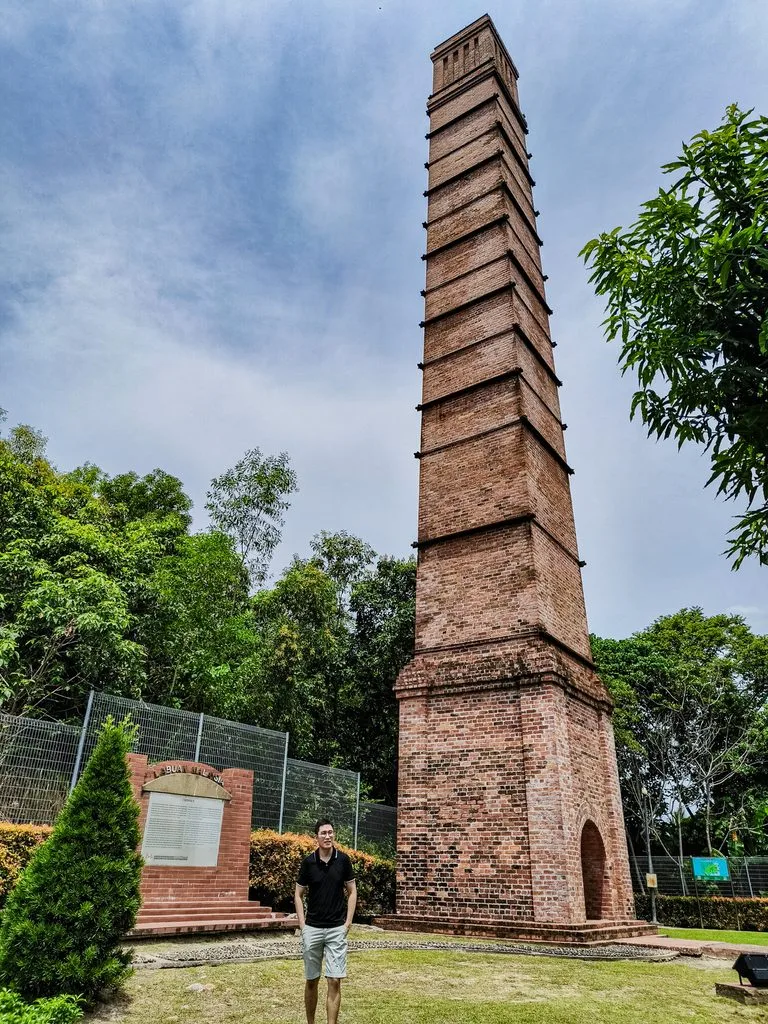
Of course, the first thing that caught our attention was the towering red-brick structure standing beside the museum. The iconic Chimney Tower is the most recognisable historical structure known locally as “Punil” in Labuan, Malaysia.
The tower likely dates back to the early 1900s, when coal mining peaked in Tanjung Kubong. At the time, the area was under the administration of the British North Borneo Chartered Company. The surrounding area played an important role in Labuan’s coal-mining industry during the British occupation.
Despite its historical significance, the Chimney remains a mystery. Researchers have proposed several theories about its original purpose, but none has conclusively proven them.
It was once thought to be a ventilation shaft for underground coal-mining tunnels. However, subsequent excavation works found no evidence of a tunnel beneath the structure. The inner walls also showed no signs of burning, making its intended function even more puzzling.
Another theory suggests that it may have served as a lighthouse or beacon for ships passing nearby, given its proximity to the sea and the former Raffles Anchorage port. Some local residents also believe it served as a bell tower to announce the arrival of ships. Till today, the Chimney’s actual purpose remains unknown, adding an intriguing element to its history.
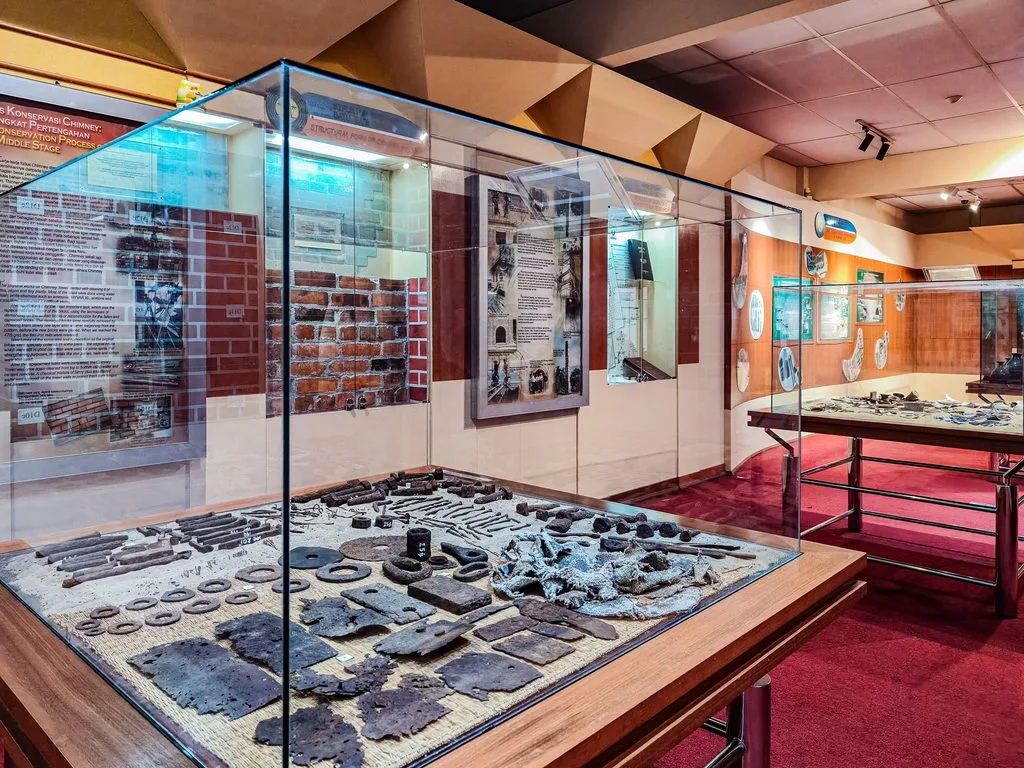
Recognising the tower’s importance to Labuan’s heritage, the Department of Museums and Antiquities carried out conservation work in 1997. The purpose was to stabilise the structure and restore it to its original condition.
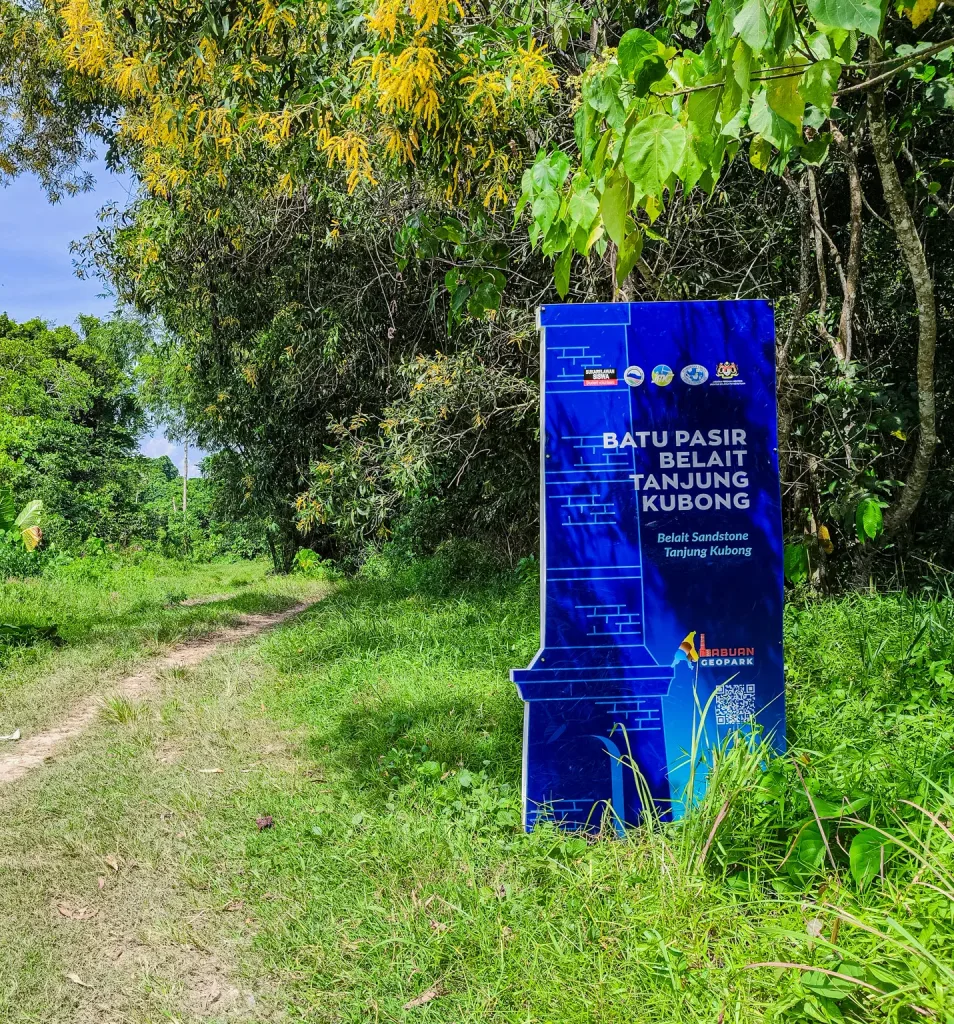
Labuan Chimney’s Trail
For those who enjoy a little outdoor exploration, there is also a trail beside the Chimney that leads into the surrounding Tanjung Kubong area.
The trail takes visitors through a more natural setting, with vegetation and tall grass along parts of the route. It offers an opportunity to explore the landscape surrounding this former coal-mining area and experience a different side of Labuan beyond its town centre. Depending on the route taken, the walk involves uneven or overgrown sections which connects several historical and natural attractions. Wear comfortable walking shoes and remember to apply sunscreen and insect repellent before setting off.
The trail can feel less inviting if you are not keen on walking through tall grass or navigating a less developed path. If you prefer a more relaxed visit, you can simply stay within the museum grounds and admire the Chimney without venturing further.
Final Thoughts if Labuan Chimney Museum Worth Visiting?
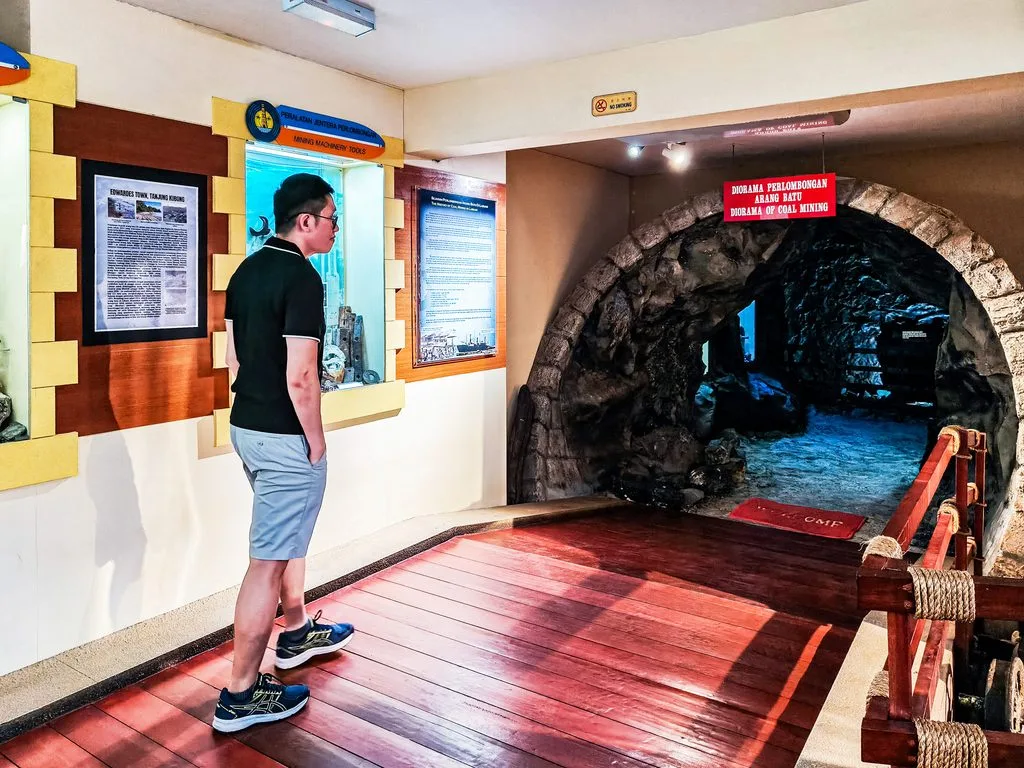
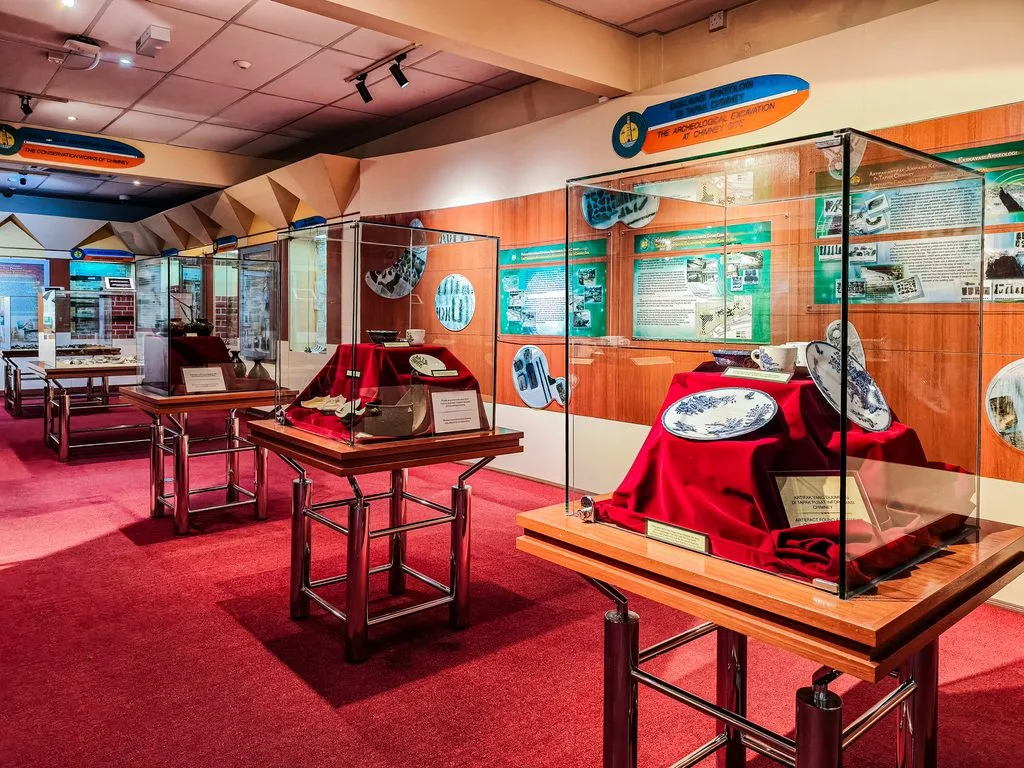
Overall, I found the Labuan Chimney Museum an interesting stop during our visit to Labuan. While the museum itself is relatively small, its exhibits provide a glimpse into the island’s coal-mining history. The mysterious red-brick Chimney also makes the visit all the more memorable.
I particularly enjoyed learning about the different theories surrounding the tower’s original purpose. It is fascinating to think that, despite being such a recognisable landmark, its true function remains unknown.
Even if exploring the walking trail around the areas may not suit you, a short visit to the museum and “Punil” is still worthwhile. Best of all, admission is free, making it an easy addition to your itinerary. You can also combine your visit with the nearby Labuan Bird Park for a more complete day of exploring the island’s northern attractions.
Be sure to explore my other travel reviews and adventures for more travel inspiration.